

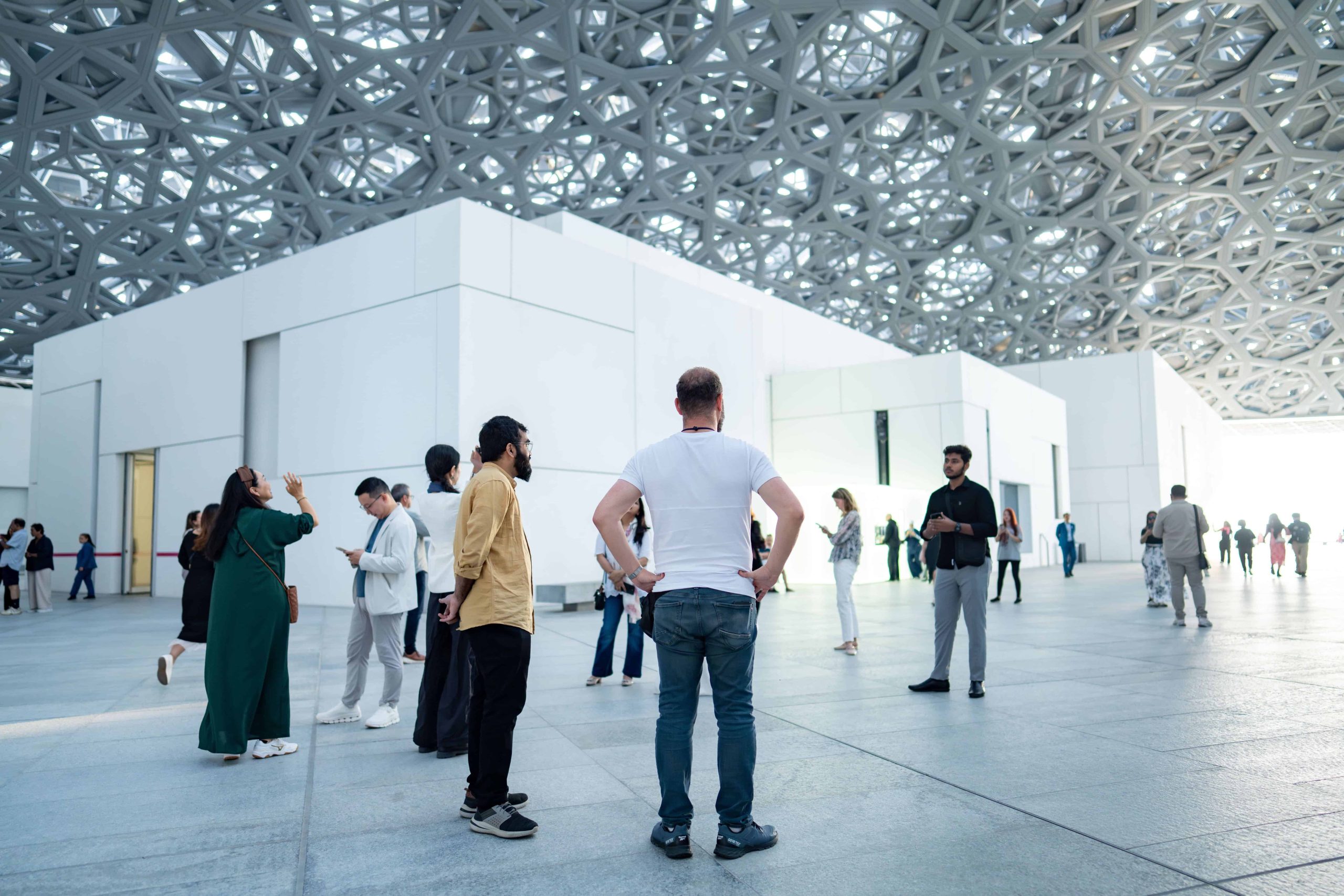
06 Jul Making Art Accessible for Those Who Have Been Told It Isn’t for Them
Introduction
For many people, contemporary art can seem like a world reserved for a select few. Galleries, exhibitions, and cultural institutions are often associated with specialized knowledge, expensive collections, and social circles that appear difficult to enter. As a result, many individuals develop the belief that art appreciation requires formal education, extensive experience, or significant financial resources. This perception creates an accessibility gap that discourages people from exploring creative spaces, even though art is fundamentally a form of human expression intended for broad audiences.
The accessibility gap has developed over time through a combination of cultural practices, institutional traditions, and communication styles that unintentionally make art appear exclusive. Exhibition descriptions may rely heavily on technical language, while media coverage often focuses on record-breaking sales and prestigious collections. These factors can create the impression that contemporary art is primarily for experts, collectors, or academics rather than the general public. In reality, art serves many purposes beyond commercial value, including self-expression, cultural reflection, education, and community engagement.
Feeling unwelcome in artistic environments can have significant consequences. When people believe they do not belong in galleries, museums, or creative communities, they are less likely to participate in cultural activities that could enrich their lives. Social discomfort, concerns about asking questions, and assumptions about financial barriers can prevent potential audiences from discovering artists, ideas, and experiences that resonate with them. Removing these obstacles is essential for creating a more inclusive and vibrant cultural landscape.
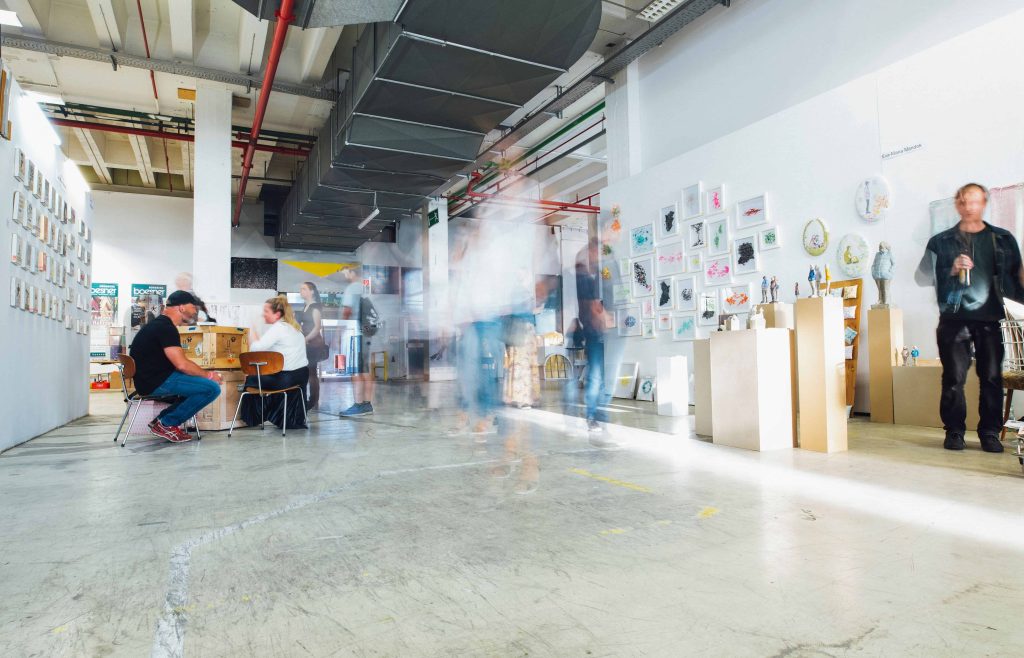
Breaking Down the Financial Walls
One of the most persistent misconceptions about contemporary art is the belief that appreciating art requires spending large amounts of money. This idea often emerges from media stories about high-profile sales and prestigious collections. While the commercial art market represents one aspect of the art world, it is only a small part of the broader artistic ecosystem. Appreciating, discussing, and learning about art does not require purchasing expensive pieces. Many people engage deeply with art through exhibitions, educational resources, public installations, and community events without making any purchases at all.
Free and low-cost opportunities have become increasingly available for people interested in exploring contemporary art. Public museums, community art centers, local exhibitions, online collections, artist talks, and virtual gallery tours offer accessible entry points for audiences of all backgrounds. Many institutions have recognized the importance of reaching wider audiences and have expanded programs that remove financial barriers. These initiatives allow visitors to experience diverse artistic perspectives while developing confidence in their own interpretations and interests.
Supporting emerging and grassroots artists also creates more attainable opportunities for people interested in collecting original artwork. Independent artists often offer prints, smaller works, and affordable editions that make ownership possible for a wider range of individuals. Community art fairs, local creative markets, and online platforms provide direct connections between artists and audiences. These environments encourage meaningful engagement while demonstrating that collecting art can be accessible to people with various budgets and interests.
Dismantling the Social Barriers
Financial accessibility is only one part of the challenge. Social barriers can be equally influential in determining who feels welcome in artistic spaces. One of the most common obstacles is the use of highly specialized language, sometimes referred to as “artspeak.” Exhibition texts and critical discussions occasionally rely on academic terminology that may be unfamiliar to new audiences. While specialized language can serve specific scholarly purposes, excessive jargon often creates unnecessary distance between artworks and viewers.
Clear and welcoming communication helps make art more approachable. When artists, galleries, and cultural organizations explain concepts in straightforward language, audiences can focus on their own observations and experiences rather than worrying about understanding complex terminology. Accessible communication encourages curiosity and reinforces the idea that art can be appreciated without advanced academic training.
Many newcomers also experience a form of self-doubt commonly described as imposter syndrome. They may feel unqualified to discuss art or worry that their interpretations are incorrect. However, personal responses play a central role in the experience of viewing art. Emotional reactions, memories, questions, and individual perspectives all contribute valuable insights. While historical and cultural context can deepen understanding, there is no requirement for viewers to possess expert-level knowledge before engaging with artistic works.
The atmosphere of art spaces also influences how comfortable people feel. Galleries, museums, and digital platforms can become more inviting when they prioritize openness, friendliness, and accessibility. Clear signage, welcoming staff, interactive programming, and user-friendly online experiences help reduce intimidation and encourage broader participation. Small changes in presentation and communication can significantly impact how visitors perceive their place within the artistic community.
Actionable Strategies for Fostering Inclusivity
Creating a more inclusive art world requires intentional efforts from institutions, artists, and community organizations. Community-led programming represents one effective approach. Events that emphasize conversation, collaboration, and shared experiences often attract participants who might feel hesitant about attending traditional lectures or formal presentations. Informal discussions, creative workshops, and collaborative projects allow people to engage with art in ways that feel approachable and relevant to their everyday lives.
Digital accessibility has also expanded opportunities for participation. Online exhibitions, virtual tours, social media platforms, and educational content allow audiences to connect with art regardless of geographic location. People who live far from major cultural centers can now explore collections, follow artists, and participate in discussions from virtually anywhere. These digital tools help broaden access while introducing contemporary art to audiences who may never have visited a traditional gallery.
Representation is another essential component of inclusivity. When artists, curators, educators, and staff members reflect a wide range of backgrounds and experiences, cultural institutions become more relatable to diverse audiences. Greater representation helps ensure that different perspectives are visible within exhibitions, programming, and organizational leadership. This diversity strengthens the cultural sector by creating richer conversations and fostering connections with broader communities.
Inclusive practices also benefit artists themselves. Creative environments that welcome diverse voices encourage innovation, experimentation, and collaboration. When more people feel empowered to participate in artistic spaces, the result is a cultural landscape that better reflects the complexity and diversity of contemporary society.
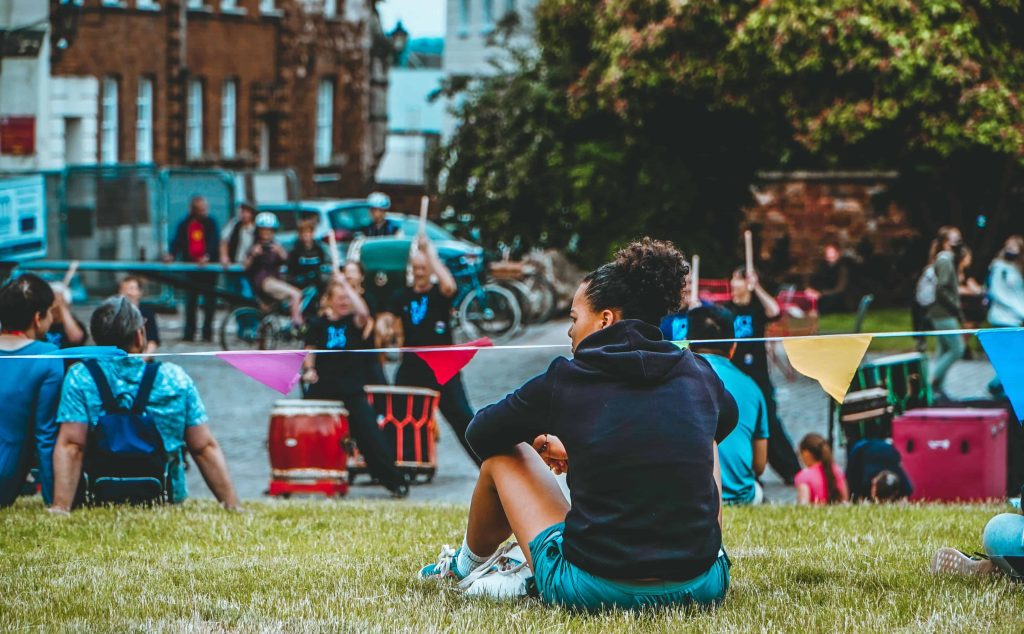
Conclusion
Art belongs to everyone, regardless of education level, social background, or financial circumstances. The perception of exclusivity that surrounds contemporary art often stems from barriers that can be addressed through more accessible communication, welcoming environments, affordable opportunities, and broader representation. By recognizing and removing these obstacles, cultural institutions and creative communities can help ensure that art remains open to all who wish to engage with it.
Breaking down financial and social gatekeeping is not simply about increasing participation numbers. It is about creating spaces where people feel respected, valued, and encouraged to explore their curiosity. When audiences understand that their perspectives matter, they are more likely to develop meaningful connections with artists, ideas, and creative experiences.
Every person has the ability to engage with art on their own terms. Whether visiting a local exhibition, attending a community event, exploring online collections, or supporting an emerging artist, individuals can confidently participate in the cultural world without needing permission, expertise, or significant financial resources. The future of a truly inclusive art community depends on ensuring that everyone feels welcome to take part.
Key Takeaways
- Art appreciation does not require formal education, specialized knowledge, or significant financial resources.
- Free and low-cost opportunities such as museums, community exhibitions, online collections, and virtual tours make art more accessible than many people realize.
- Social barriers, including complex terminology and self-doubt, can discourage participation, but personal interpretations and experiences are valuable parts of engaging with art.
- Clear communication, welcoming environments, and inclusive programming help create artistic spaces where more people feel comfortable and represented.
- Greater accessibility and representation benefit both audiences and artists by encouraging broader participation, diverse perspectives, and stronger creative communities.
FAQs
Why do many people feel that contemporary art is not meant for them?
Many people perceive contemporary art as exclusive because galleries, museums, and exhibitions are often associated with specialized knowledge, academic language, and expensive collections. This can create the impression that art appreciation requires expertise or wealth. In reality, art is a form of human expression that can be enjoyed and interpreted by anyone, regardless of educational background or financial resources.
How can someone start exploring art without spending a lot of money?
There are many affordable ways to engage with art, including visiting free museum days, attending community exhibitions, exploring online collections, joining artist talks, and participating in local creative events. These opportunities allow individuals to develop their understanding of art, discover new perspectives, and build confidence without making financial commitments.
What makes an art space more inclusive and welcoming?
Inclusive art spaces prioritize accessibility through clear communication, welcoming staff, interactive programs, and diverse representation. When institutions create environments that encourage questions, conversation, and personal interpretation, visitors are more likely to feel comfortable participating. These efforts help ensure that people from different backgrounds can connect with art in meaningful ways.
Art has long provided a way for people to process complex events, express concerns, and document changing social conditions. Read on to discover how artists navigate politically charged environments and why their work continues to influence public dialogue across communities.