

Introduction to Physical Art Exhibitions
The Power and Presence of Physical Art Exhibitions: A Three-Generation Overview
Published on Jan 11, 2024 at Nonsuch Foundation
Art, a timeless expression of human creativity, finds its most tangible form in physical art exhibitions. The lasting impact of seeing and touching art in its physical form is unmatched in a world where digital experiences are increasingly prevalent. This article aims to delve into the unique value and dynamics of physical art exhibitions, exploring their significance in the contemporary art scene and contemplating their relevance in an evolving digital landscape. When it comes to live art shows, the immersive experience extends beyond simple viewing and breaks down the barriers of a screen or gadget. The physical presence of art encourages a strong bond between the observer and the artistic piece by enabling viewers to interact viscerally with the textures, colors, and scale. Another level of significance is added by the way artwork is arranged in a gallery or museum; curators meticulously plan the flow and positioning of pieces to tell a story or elicit particular feelings. Each visitor receives a personalized experience from this deliberate curation, which amplifies the overall effect of the artistic engagement. Furthermore, physical art exhibits function as gathering places where people may come together to appreciate and reflect on art together. In addition to viewing the work, attendees converse with other art enthusiasts, promoting a sense of intellectual interchange and camaraderie. The relationships that are established between people inside an exhibition space aid in the development of a shared understanding of artistic expression and its variety of interpretations. In a time where digital interfaces rule the day, going to an art exhibition in person becomes a unique and treasured chance for people to engage with art and one another in a concrete, shared world.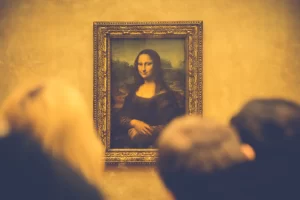
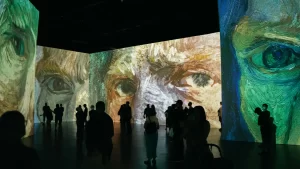 📷Redd F
The Enduring Power of Physical Art
Art, when encountered physically, engages our senses in a profound manner. The size, texture, materiality, and environmental context contribute to a fuller understanding of the artwork. The immersive nature of physical proximity establishes a deeper connection with both the artwork and the artist’s intention. Moreover, direct interaction fosters individual interpretation and unexpected discoveries, making the experience inherently personal and enriching.Multisensory Engagement: Beyond Visual Perception
Encountering art in its physical form allows for a multisensory engagement that goes beyond visual perception. The texture of a canvas, the weight of a sculpture, and the subtle nuances of color are elements that can be fully appreciated through touch and close proximity. The inherent materiality of physical artworks adds a tactile dimension to the viewing experience, inviting viewers to explore art through the sense of touch, enriching their connection with the artistic creation.Environmental Context: Shaping the Artistic Experience
The physical environment in which art is displayed contributes significantly to the overall artistic experience. The interplay of natural light, the layout of a gallery space, and the spatial relationships between artworks create a unique atmosphere that enhances the intended impact of the art. Physical spaces become integral components of the artistic narrative, influencing the viewer’s emotional and intellectual response. The environmental context becomes a silent collaborator in shaping the storytelling power of art.Deeper Connection with Art and Intention: Proximity Matters
Physical proximity establishes a deeper connection between the viewer and the artwork, allowing for a more intimate exploration of details and nuances. Standing in front of a painting or sculpture, observing the artist’s brushstrokes or the intricacies of the craftsmanship, creates a direct dialogue between the viewer and the art. The physical presence of the artwork becomes a conduit for understanding the artist’s intention, fostering a profound connection that transcends the digital realm.Individual Interpretation and Discovery: Personalized Experience
Direct interaction with physical art fosters individual interpretation and unexpected discoveries. Each viewer brings a unique perspective, and the act of physically engaging with the artwork allows for a personalized experience. The viewer becomes an active participant, navigating the visual and tactile elements of the artwork based on their own perceptions and emotions. This personalization of the experience adds layers of meaning and depth to the encounter with art.Embracing the Inherent Personal and Enriching Nature
In essence, the enduring power of physical art lies in its inherent personal and enriching nature. The multisensory engagement, the influence of environmental context, the deeper connection with art and intention, and the potential for individual interpretation all contribute to an immersive encounter that transcends the limitations of virtual experiences. While digital platforms offer accessibility and innovation, the physical presence of art continues to hold a unique and timeless appeal, inviting viewers into a tangible world of creativity and expression.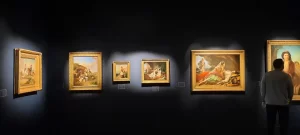
Dynamics of the Contemporary Art Scene
In the contemporary art world, physical exhibitions play multifaceted roles. They serve as platforms for artists to showcase their work, gain recognition, and connect with collectors and curators. Curators, in turn, utilize exhibitions to present artistic themes, movements, and dialogue within specific contexts. Exhibitions act as bridges between artists and the public, fostering education, appreciation, and critical discourse, thereby shaping the cultural narrative.Showcasing Artistic Voices: Platforms for Artists
Physical exhibitions serve as vital platforms for artists to showcase their voices and perspectives. Through curated displays in galleries, museums, or alternative spaces, artists gain visibility, introducing their work to diverse audiences. The physical presence of artworks allows for a direct encounter, enabling viewers to immerse themselves in the artist’s creative expression and engage with the nuances of each piece. These exhibitions become crucial stepping stones for emerging artists to establish their presence in the art scene.Connecting with Collectors and Curators: Pathways to Recognition
For artists, physical exhibitions provide opportunities to connect with collectors and curators. The tactile experience of seeing artworks in person allows potential buyers to assess the quality, texture, and impact of pieces they may acquire. Curators, on the other hand, use exhibitions to discover emerging talent, curate thematic shows, and contribute to the ongoing dialogue within the art world. The physicality of these encounters fosters relationships that extend beyond the exhibition space, shaping the trajectory of artists’ careers.Curatorial Narratives: Presenting Artistic Themes and Movements
Curators play a pivotal role in shaping the narrative of contemporary art through exhibitions. They curate shows that highlight specific artistic themes, movements, or dialogues, providing a contextual framework for viewers. The physical arrangement of artworks within a curated space allows curators to create immersive experiences, guiding the audience through a visual and conceptual journey. Exhibitions become dynamic platforms for curatorial narratives that reflect the pulse of the contemporary art scene.Bridging Artists and the Public: Fostering Education and Appreciation
Physical exhibitions act as bridges between artists and the public, fostering education, appreciation, and critical discourse. For the audience, the experience of viewing art in a physical setting goes beyond visual stimulation. It invites individuals to engage with the cultural and conceptual layers embedded in the artworks, encouraging a deeper understanding of artistic practices. Educational programs, artist talks, and interactive elements within exhibitions contribute to a more enriched and participatory viewer experience.Shaping the Cultural Narrative: Exhibitions as Cultural Catalysts
Through their multifaceted roles, physical exhibitions contribute to shaping the cultural narrative of the contemporary art scene. They reflect the diversity of artistic expressions, challenge established norms, and provide a platform for marginalized voices. Exhibitions become cultural catalysts that influence public discourse, contributing to the evolving dialogue on societal, political, and environmental issues. The physicality of these exhibitions enhances their impact, making them powerful agents of cultural transformation. In essence, the dynamics of the contemporary art scene are intricately woven into the fabric of physical exhibitions. These exhibitions serve as dynamic intersections where artists, curators, collectors, and the public converge, creating a space for the exchange of ideas, recognition, and the continuous evolution of the artistic and cultural landscape.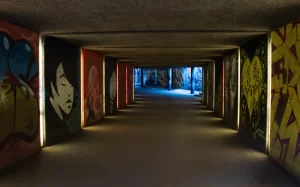
Exploring Different Exhibition Formats
Diverse formats of physical art exhibitions cater to varied artistic expressions. Museum exhibitions, characterized by large-scale showcases with historical or thematic approaches, offer a comprehensive view of art’s evolution. Gallery exhibitions focus on individual artists or specific bodies of work, providing an intimate experience. Alternative spaces and site-specific installations, on the other hand, challenge traditional boundaries, offering platforms for emerging artists and blurring the lines between art and the environment.Museum Exhibitions: A Comprehensive Journey Through Art’s Evolution
Museum exhibitions stand as grand narratives, offering a comprehensive journey through the evolution of art. Characterized by large-scale showcases, these exhibitions often adopt historical or thematic approaches. Museums curate artworks from different periods and styles, creating a rich tapestry that reflects the diversity and continuity of artistic expression. The expansive nature of museum exhibitions allows viewers to immerse themselves in the vast spectrum of art history, gaining insights into the cultural and historical contexts that shaped each era.Gallery Exhibitions: Intimate Showcases of Individual Artists
Gallery exhibitions provide intimate showcases that focus on individual artists or specific bodies of work. Unlike the comprehensive scope of museums, galleries offer a more curated and concentrated experience. The spotlight on a single artist allows viewers to delve deeply into their creative journey, exploring the nuances of their style, themes, and evolution. Galleries often serve as platforms for artists to present new works, fostering a direct connection between the creator and the audience within a more personal setting.Alternative Spaces: Challenging Traditional Boundaries
Alternative spaces and site-specific installations challenge traditional exhibition boundaries. These unconventional venues, ranging from warehouses to outdoor environments, provide platforms for emerging artists to experiment with unconventional mediums and formats. Site-specific installations integrate art with the environment, blurring the lines between the artwork and its surroundings. The immersive nature of alternative spaces encourages artists to push creative boundaries and invites viewers to experience art in unexpected and thought-provoking ways.Art Fairs: Dynamic Showcases of Global Creativity
Art fairs have become dynamic showcases of global creativity, bringing together galleries, artists, and collectors in a vibrant atmosphere. These events, often held annually, feature a diverse range of artworks and styles. Art fairs provide a unique opportunity for artists and galleries to connect with a broad audience, attracting both seasoned collectors and art enthusiasts. The dynamic and bustling environment of art fairs reflects the ever-evolving nature of the contemporary art scene, offering a snapshot of current trends and innovations.Biennales and Triennales: Celebrating International Artistic Dialogue
Biennales and triennales are periodic exhibitions held every two or three years, respectively, celebrating international artistic dialogue. These events bring together artists from around the world, presenting a global perspective on contemporary art. Biennales and triennales often adopt thematic approaches, addressing pressing issues or exploring innovative concepts. They serve as platforms for cross-cultural exchange, fostering collaboration and showcasing the diversity of artistic practices on a global scale.
Beyond the Walls: Expanding the Reach of Art
The digital era prompts ongoing debates about the relevance of physical exhibitions. However, digital platforms and online resources play complementary roles in promoting and enhancing the physical exhibition experience. The synergy between the physical and digital realms gives rise to hybrid formats and innovative practices, expanding the reach of art beyond traditional boundaries. These synergies enrich accessibility, allowing a global audience to engage with art irrespective of physical location.Digital Platforms as Amplifiers of Artistic Voices
Digital platforms serve as powerful amplifiers of artistic voices, providing artists with a global stage to showcase their work. Online galleries and virtual exhibitions allow artists to reach audiences beyond geographical constraints, democratizing access to art. Artists can leverage social media, websites, and digital portfolios to share their creations, fostering a direct connection with a diverse and international audience. This digital amplification enhances visibility, supporting emerging artists and contributing to the democratization of the art world.Online Resources Enhancing Art Appreciation
Online resources contribute to the enhancement of art appreciation by providing in-depth information, educational content, and virtual tours. Virtual walkthroughs of physical exhibitions, artist interviews, and curated online collections offer audiences a deeper understanding of artworks and their contexts. Online resources act as educational tools, bridging the gap between artists, curators, and viewers. These resources not only supplement the physical exhibition experience but also create avenues for continuous engagement and learning.Hybrid Formats: Bridging the Physical and Digital Realms
The synergy between physical and digital realms gives rise to hybrid exhibition formats, bridging the gap between traditional and contemporary practices. Hybrid exhibitions may combine physical displays with augmented reality (AR) experiences, interactive online components, or virtual extensions. This blending of formats enhances the viewer’s experience, offering a seamless transition between the tangible and virtual worlds. Hybrid exhibitions cater to diverse audience preferences, fostering inclusivity and adaptability in the ever-evolving landscape of art consumption.Global Accessibility: Engaging Audiences Irrespective of Location
The collaboration between physical and digital realms enriches accessibility, enabling audiences worldwide to engage with art irrespective of their physical location. Virtual exhibitions and online galleries break down geographical barriers, allowing individuals from different continents to explore and appreciate artworks. This global accessibility transforms the relationship between art and its audience, creating a shared space for cultural exchange and dialogue on a scale previously unimaginable.Interactive Experiences and Audience Participation
Digital synergies introduce interactive experiences and audience participation, enhancing the viewer’s role in the artistic encounter. Virtual reality (VR), augmented reality (AR), and interactive online installations create immersive experiences where viewers can actively engage with artworks. Social media platforms facilitate dialogue, enabling audiences to share their interpretations, connect with artists, and participate in online discussions. The interactive nature of digital platforms transforms the art experience into a dynamic and participatory journey.Conclusion
In conclusion, physical art exhibitions remain paramount in enriching our understanding and appreciation of art. As vital sources of inspiration, dialogue, and cultural exchange, they withstand the test of time and evolving technologies. By actively engaging with the world of physical exhibitions, one can tap into the profound impact of art in its most authentic form. The power of physical art displays to really and transformatively conjure an experience is, in essence, what gives them their lasting value. Embracing the authenticity and cultural resonance of physical exhibitions becomes essential to maintaining the integrity of artistic expression as we traverse the always shifting environment of art consumption. These shows are still everlasting doorways that lead to creativity, conversation, and the deep beauty of art in its purest, most real form.Key Takeaways
| Key Points | Importance |
| Physical art exhibitions engage the senses profoundly. | Enriches understanding through size, texture, and materiality. |
| Immersive experiences deepen connections with art. | Establishes a profound link with the artist’s intention. |
| Exhibitions serve as platforms for artists and curators. | Showcases work, presents themes, and fosters critical discourse. |
| Different formats offer varied artistic expressions. | Museums, galleries, alternative spaces, and installations. |
| The digital era prompts debates on the relevance of physical exhibitions. | Digital platforms complement and enhance the physical experience. |
| Hybrid formats bridge the physical and digital realms. | Expanding art’s reach beyond traditional boundaries. |