

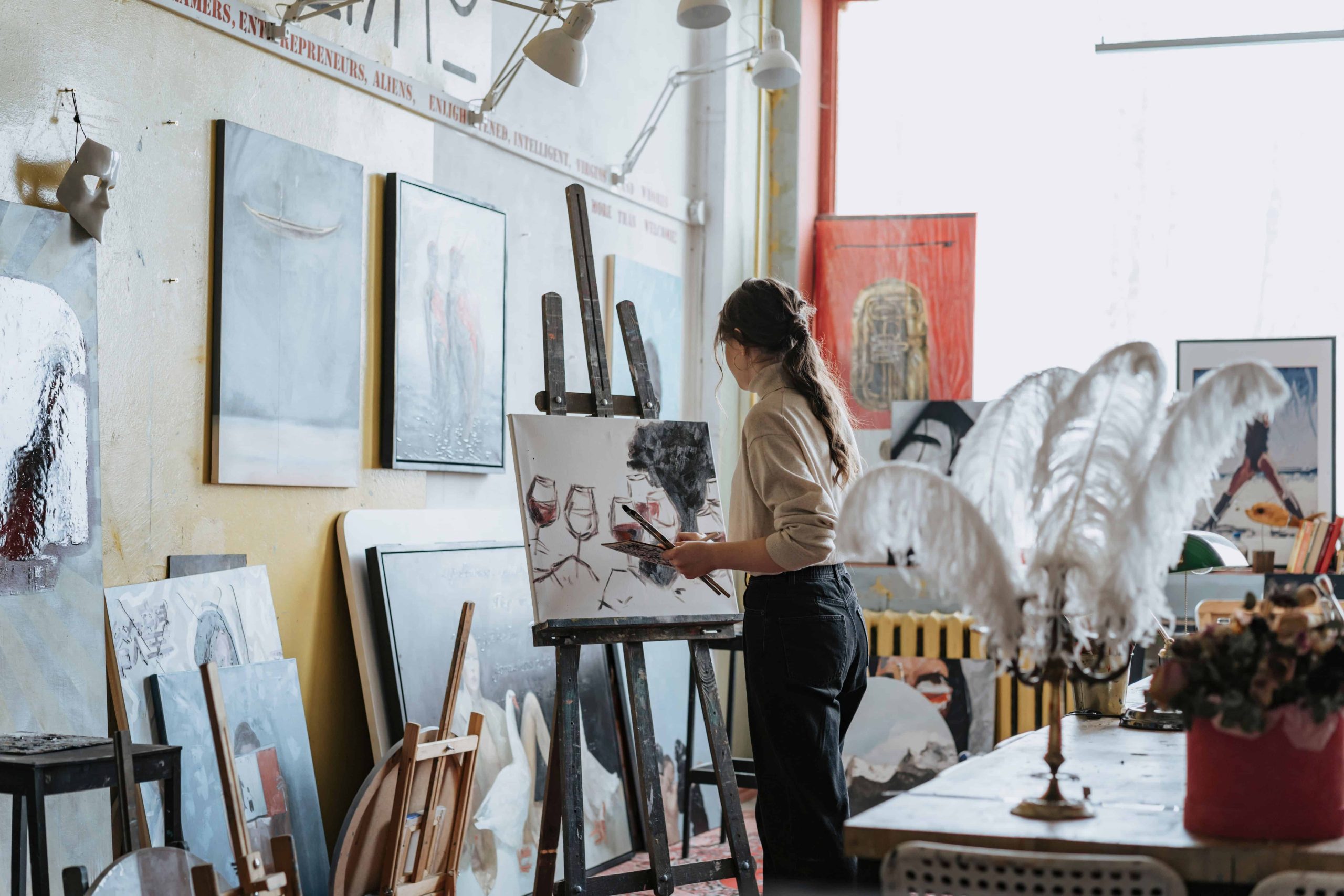
29 Jun The Role of the Artist in Times of Social Change
Introduction
Throughout history, artists have responded to moments of significant social change by creating works that capture the emotions, experiences, and questions of their time. Whether communities are experiencing rapid technological developments, cultural shifts, environmental concerns, or public challenges, creative expression often becomes a way to process complex realities. Art provides a space where ideas can be explored beyond the limitations of everyday conversation, allowing people to engage with issues on both intellectual and emotional levels.
Periods of uncertainty frequently encourage artistic innovation because creators are motivated to understand and communicate what they observe around them. Artistic work can help document changing conditions, foster empathy, and encourage reflection. As societies evolve, artists often find themselves asking an important question: what role can creative expression play in helping people understand the world they inhabit?

The Artist as Witness
One of the most important functions of the artist is to observe and record human experiences. While news reports, statistics, and academic studies provide valuable information, art can capture the emotional dimensions of events that data alone cannot convey. Through painting, photography, sculpture, literature, music, and digital media, artists often reveal personal perspectives that deepen public understanding.
Artistic documentation can preserve stories, emotions, and cultural experiences that might otherwise be overlooked. By focusing on individual lives and community experiences, artists help create a more complete picture of social realities. This role carries significant responsibility, as creators must balance authenticity with respect for the people and situations they portray. Ethical artistic practice involves careful consideration of representation, consent, and context.
The Artist as Challenger of Assumptions
Artists have long used their work to encourage audiences to think critically about familiar ideas. By presenting unexpected perspectives, unusual compositions, or thought-provoking themes, creators can inspire viewers to question assumptions and consider alternative viewpoints. This process is not about providing simple answers but about encouraging deeper engagement with complex subjects.
Creative works that challenge conventional thinking often leave a lasting impression because they require active participation from the audience. Rather than passively consuming information, viewers, readers, and listeners are invited to reflect on their own beliefs and experiences. This capacity to stimulate thought remains one of the defining strengths of artistic expression across cultures and disciplines.
The Artist as Healer
Art can also serve as a powerful source of comfort and emotional support during difficult periods. Creative expression provides opportunities for individuals and communities to process grief, stress, uncertainty, and change in constructive ways. Many forms of art encourage reflection, emotional release, and meaningful connection with others.
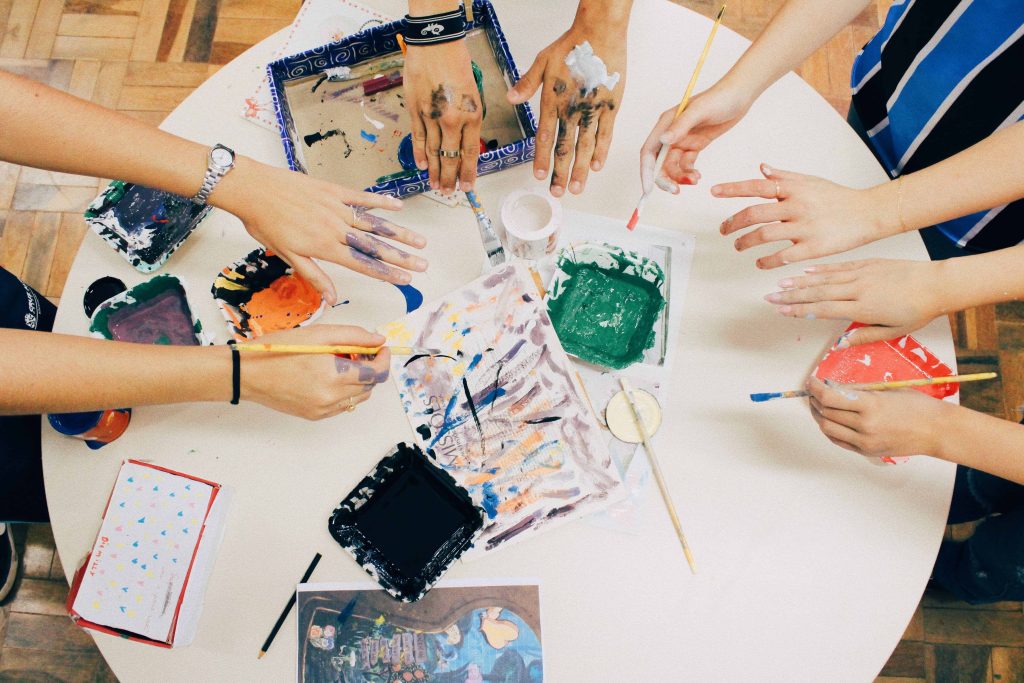
Community art projects, public exhibitions, performances, and collaborative creative initiatives can bring people together around shared experiences. These activities help foster understanding and create spaces where individuals feel heard and valued. When words seem insufficient to express complex emotions, visual art, music, dance, and storytelling often provide alternative pathways for communication and healing.
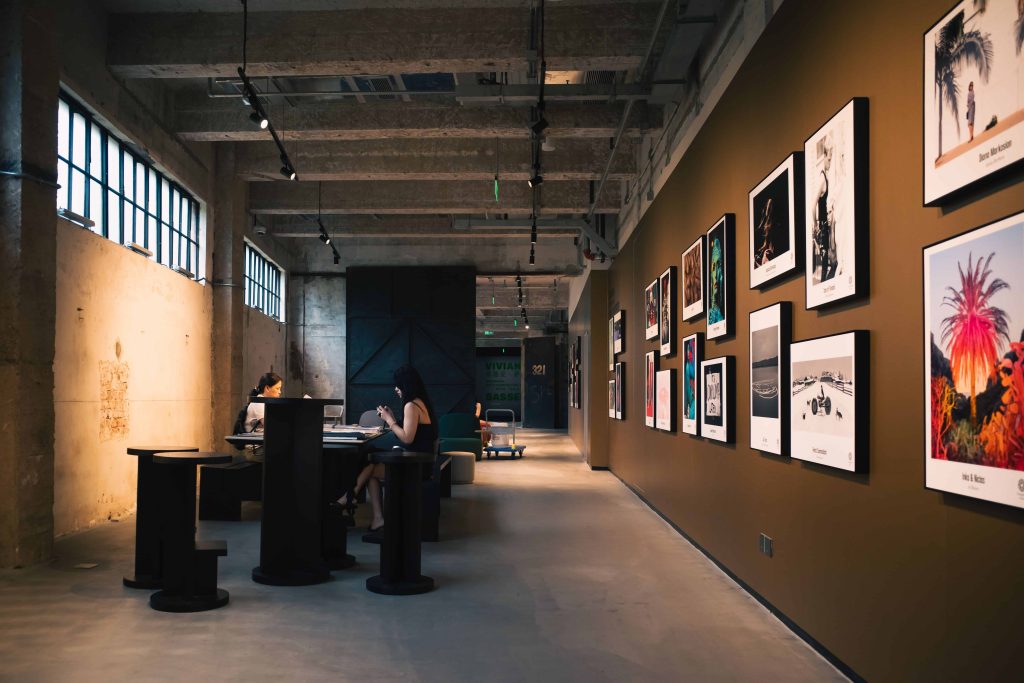
The Artist as Visionary
Beyond documenting the present, artists frequently imagine possibilities for the future. Creative works can introduce new ideas, explore innovative solutions, and inspire audiences to think beyond existing circumstances. Through imagination, artists contribute to cultural conversations about what societies value and what they might become.
Visionary artistic work often encourages optimism and curiosity. By presenting alternative perspectives and creative possibilities, artists help people envision outcomes that may not yet exist. This imaginative capacity plays a valuable role in fostering innovation, cultural development, and community engagement. Hope, in this context, becomes an active practice supported by creativity and shared vision.
The Challenges of Socially Engaged Art
Creating art that addresses contemporary issues can present significant challenges. Artists may face criticism, misunderstanding, or pressure from audiences who hold differing viewpoints. Balancing artistic integrity with public expectations requires careful consideration and strong creative discipline.
Another challenge involves ensuring that artistic quality remains central to the work. Effective art combines meaningful subject matter with thoughtful execution, craftsmanship, and originality. When creators focus solely on delivering a message, the artistic impact may be diminished. Maintaining this balance allows socially engaged art to remain both compelling and meaningful.
The Audience's Role in Meaningful Art
The relationship between artist and audience is essential to the creative process. Once a work is shared publicly, viewers bring their own experiences, perspectives, and interpretations to what they encounter. This interaction transforms art from a solitary act of creation into a broader cultural conversation.
Engaged audiences contribute to the value of artistic work by asking questions, discussing ideas, and considering multiple interpretations. Through dialogue, communities can explore difficult topics in ways that encourage understanding rather than division. Meaningful art often succeeds because it creates opportunities for thoughtful engagement rather than delivering fixed conclusions.
Conclusion
Artists fulfill many roles during periods of social transformation. They document experiences, encourage critical thinking, support emotional well-being, and imagine new possibilities for the future. Through these contributions, creative work helps individuals and communities better understand the challenges and opportunities they face.
While public attention may shift rapidly from one issue to another, art often endures as a lasting record of human experience. Its ability to communicate emotion, inspire reflection, and foster connection ensures that creativity remains an essential part of society. In times of change, artistic expression continues to provide insight, meaning, and a deeper understanding of the world around us.
Key Takeaways
- Artists help document human experiences and provide emotional perspectives that complement factual information.
- Creative works encourage critical thinking by challenging assumptions and introducing new viewpoints.
- Art can support healing, reflection, and community connection during periods of social change.
- Artists often imagine future possibilities, inspiring innovation, curiosity, and cultural growth.
- Meaningful art relies on both thoughtful creation and active audience engagement to foster dialogue and understanding.
FAQs
Why are artists important during periods of social change?
Artists help people understand and respond to changing circumstances by documenting experiences, expressing emotions, and presenting different perspectives. Their work can encourage reflection, stimulate discussion, and create opportunities for meaningful engagement with complex issues. Through creative expression, artists contribute to cultural understanding and help communities process change.
How can art encourage people to think differently about social issues?
Art often presents ideas in ways that challenge familiar assumptions and invite deeper consideration. By using symbolism, storytelling, visual imagery, music, or other creative forms, artists encourage audiences to examine their beliefs and explore alternative viewpoints. This process promotes critical thinking and can lead to more thoughtful conversations about important topics.
What challenges do artists face when creating socially engaged work?
Artists who address contemporary issues may encounter criticism, differing interpretations, or public expectations that influence how their work is received. They must also balance the desire to communicate meaningful ideas with the need for artistic quality, originality, and craftsmanship. Successfully managing these challenges helps ensure that the work remains both impactful and engaging.
Art has always been a reflection of human experience, but no single perspective can tell the whole story. Discover why gender diversity plays a vital role in shaping a more accurate, inclusive, and meaningful art world that resonates with broader audiences.