
07 Sep Teaching the Next Generation to Value “Free Thinking”
Introduction
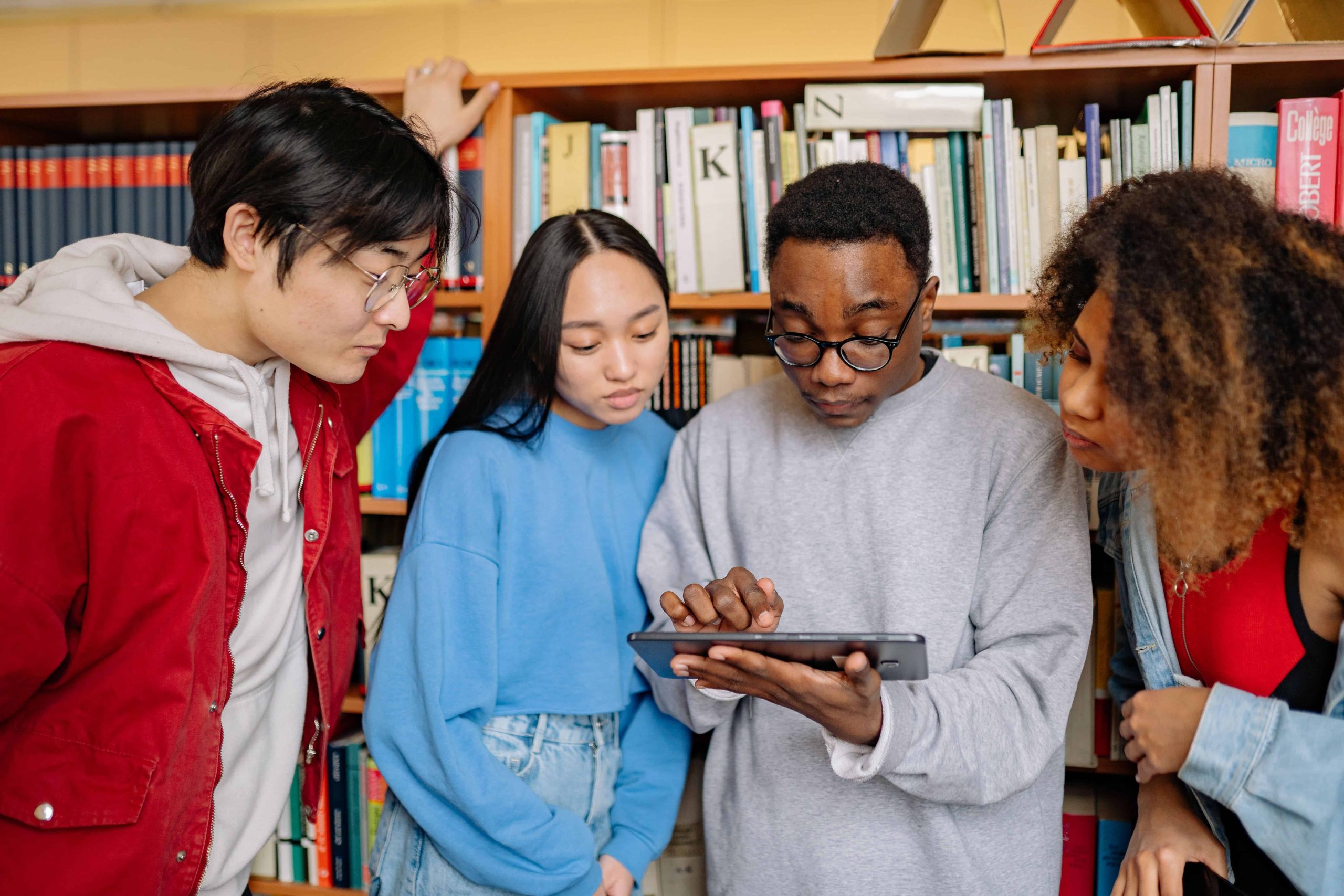
Education has long been viewed as the foundation for personal growth, social development, and future success. In today’s rapidly changing world, however, the demands placed on learners have evolved. Students are no longer preparing for a future where information is scarce. Instead, they are growing up in an environment where knowledge is available almost instantly through digital platforms, online resources, and emerging technologies. As a result, the purpose of education is shifting from simply delivering information to helping students understand, evaluate, and apply it effectively.
This shift highlights an important distinction between acquiring knowledge and learning how to process information. Memorizing facts may help students perform well on assessments, but it does not necessarily prepare them to solve unfamiliar problems, evaluate conflicting viewpoints, or make thoughtful decisions. The ability to think critically, adapt to new situations, and generate original ideas is becoming increasingly valuable across every area of life.
To prepare children for the future, education must move beyond teaching students what to think and focus instead on teaching them how to think. Free thinking is not about rejecting established knowledge. It is about developing the skills needed to analyze information, explore possibilities, and form independent conclusions. Among the many tools available to educators, art stands out as one of the most effective ways to nurture these essential abilities.

The Shift from "What to Think" to "How to Think"
The Limitations of Standardized Instruction
Traditional educational models often rely heavily on standardized instruction and memorization. While foundational knowledge remains important, an overemphasis on recalling information can limit opportunities for students to develop intellectual independence. When learning becomes focused primarily on reproducing correct answers, students may become less comfortable exploring alternative perspectives or asking deeper questions about the material they encounter.
A learning environment centered on a single correct answer can also discourage creativity and curiosity. Real-world challenges rarely present themselves in simple, predictable formats. Instead, they often require multiple approaches, careful evaluation, and innovative thinking. Students who are encouraged only to memorize information may struggle when faced with situations that demand flexibility and original problem-solving.
The Necessity of Adaptability in a Complex World
Modern workplaces increasingly value skills such as critical thinking, collaboration, creativity, and problem-solving. Employers often seek individuals who can analyze situations, adapt to changing circumstances, and develop effective solutions rather than simply repeat established procedures. These abilities allow people to respond effectively to new technologies, evolving industries, and emerging challenges.
Beyond professional settings, adaptability is essential for everyday life. People regularly encounter large amounts of information from various sources, making it necessary to evaluate claims, identify reliable evidence, and make informed judgments. Developing cognitive flexibility helps students navigate this complex environment with confidence and independence.
Defining True Free Thinking
Critical Analysis Over Passive Acceptance
Free thinking begins with the ability to critically examine information rather than accepting it without question. Students benefit from learning how to assess the credibility of sources, identify supporting evidence, and recognize potential biases. These skills enable them to engage with information thoughtfully and make reasoned decisions based on facts rather than assumptions.
Critical analysis also strengthens communication skills. When students learn to construct independent arguments supported by evidence, they become more effective at expressing ideas, participating in discussions, and defending their conclusions. This process encourages deeper engagement with learning and promotes intellectual growth.
The Courage to Question Assumptions
Developing independent thinkers requires creating environments where questions are welcomed and diverse viewpoints can be explored respectfully. Students should feel comfortable challenging ideas, examining assumptions, and considering alternative interpretations. Such experiences help them understand that learning is often a process of exploration rather than simple acceptance.
Exposure to different perspectives broadens understanding and encourages open-mindedness. By examining issues from multiple angles, students gain a greater appreciation for complexity and develop stronger analytical skills. This approach supports thoughtful decision-making and encourages lifelong learning.
Why Art Is the Ultimate Tool for Free Thinkers
Navigating Ambiguity: Art Has No Single Right Answer
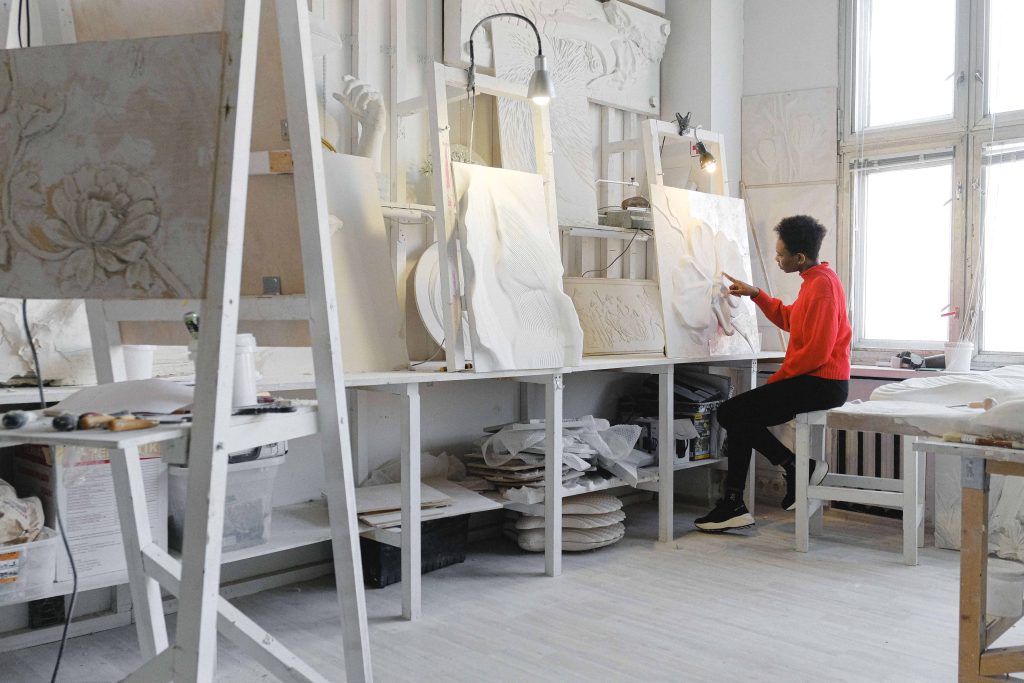
Art provides unique opportunities for students to engage with ambiguity and interpretation. Unlike many academic exercises that emphasize predetermined answers, artistic experiences often invite multiple valid perspectives. Whether analyzing a painting, creating a sculpture, or composing music, students are encouraged to develop personal interpretations based on observation, reflection, and imagination.
This process helps learners become comfortable with uncertainty and open-ended challenges. Rather than seeking immediate answers, they learn to explore possibilities, consider alternatives, and trust their own reasoning. These skills are valuable not only in creative pursuits but also in scientific inquiry, problem-solving, and everyday decision-making.
Fostering Empathy Through Creative Expression
Creative activities encourage students to explore experiences and viewpoints beyond their own. Through visual art, storytelling, performance, and other forms of expression, learners gain opportunities to understand different perspectives and communicate complex ideas. This process helps build empathy and strengthens social awareness.
Art also demonstrates that multiple interpretations can coexist without one necessarily being superior to another. Students learn that individuals may approach the same subject from different angles, each contributing meaningful insights. This understanding promotes respectful dialogue and encourages appreciation for diversity of thought.
Building Resilience by Normalizing Failure
The creative process naturally involves experimentation, revision, and occasional setbacks. Artists frequently refine their work through trial and error, learning from mistakes and making adjustments along the way. This experience teaches students that progress often emerges through persistence rather than immediate success.
When mistakes are viewed as opportunities for improvement, learners become more willing to take intellectual risks and explore new ideas. This mindset encourages resilience, adaptability, and innovation. Students learn that challenges are not barriers to learning but valuable parts of the growth process.
Cultivating a Creative Mindset in Education
Encouraging Open-Ended Inquiry
One of the most effective ways to promote free thinking is by encouraging open-ended inquiry. Instead of focusing solely on factual recall, educators can ask questions that require analysis, interpretation, and reflection. Questions such as “Why do you think this happened?” or “What alternative solutions might exist?” invite students to think more deeply about concepts and ideas.
Open-ended inquiry encourages exploration and curiosity. Students learn to investigate possibilities, evaluate evidence, and develop their own conclusions. This approach strengthens critical thinking skills and fosters a greater sense of ownership over the learning process.
Valuing the Creative Process Over the Final Product
Educational environments often place significant emphasis on outcomes, grades, and completed projects. While achievement remains important, focusing exclusively on results can overlook the valuable learning that occurs throughout the creative process. Experimentation, reflection, revision, and persistence all contribute to intellectual development.
Recognizing effort, curiosity, and exploration helps students understand that learning is an ongoing process. When the journey of discovery is valued alongside the final outcome, learners become more willing to embrace challenges and engage in meaningful problem-solving. This mindset supports both academic growth and lifelong creativity.
Conclusion
Preparing for the Future Through Independent Thought
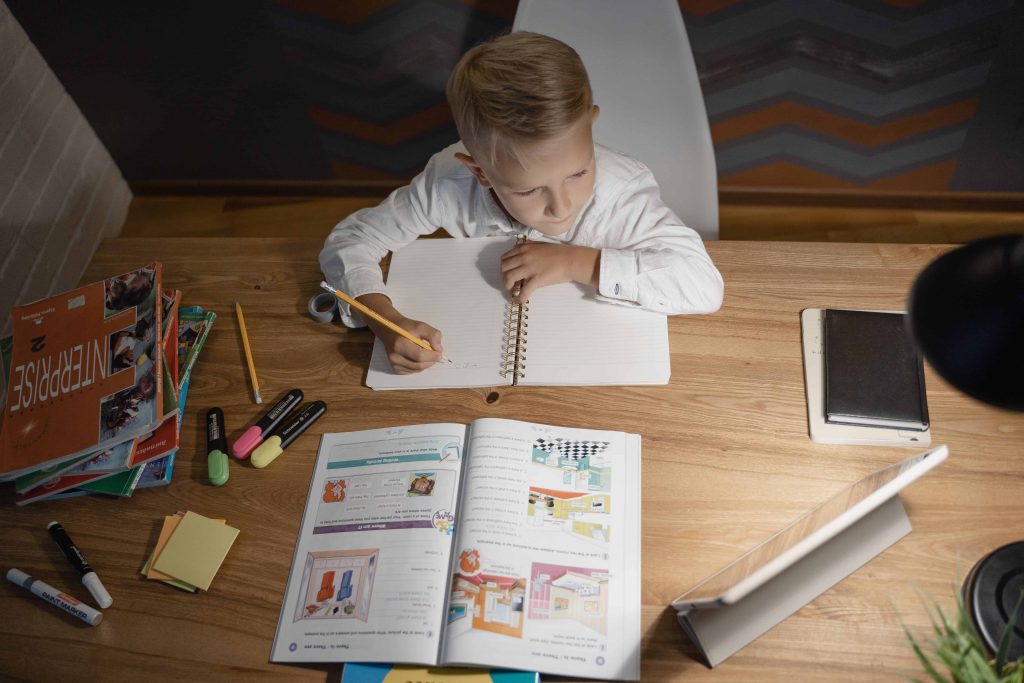
Preparing young people for the future requires more than providing access to information. It requires helping them develop the skills needed to analyze ideas, adapt to change, and think independently. Moving away from rigid, memorization-focused learning models allows students to engage more actively with knowledge and develop stronger critical thinking abilities.
Art plays a particularly important role in this transformation. Through interpretation, creativity, empathy, and experimentation, artistic experiences encourage students to explore ideas, question assumptions, and develop confidence in their own thinking. By fostering free thinking and creativity, educators can help prepare the next generation to navigate future challenges with curiosity, resilience, and informed judgment.
Key Takeaways
- Free thinking helps students analyze information, question assumptions, and form independent conclusions rather than simply memorizing facts.
- Modern education benefits from focusing on how to think, encouraging critical thinking, adaptability, creativity, and problem-solving skills.
- Art supports free thinking by exposing students to open-ended challenges, multiple interpretations, and creative exploration.
- Creative activities foster empathy, resilience, and confidence by encouraging experimentation, reflection, and learning from mistakes.
- Open-ended inquiry and valuing the learning process help students develop curiosity, intellectual independence, and lifelong learning habits.
FAQs
What does free thinking mean in education?
Free thinking in education refers to the ability to evaluate information, question assumptions, and develop independent conclusions based on evidence and reasoning. It is not about rejecting established knowledge but about helping students think critically, explore different perspectives, and make informed decisions in a complex world.
Why is art considered an effective tool for developing free thinkers?
Art encourages students to engage with open-ended challenges where multiple interpretations can be valid. Through creative expression, learners practice problem-solving, reflection, empathy, and adaptability. These experiences help build confidence in independent thinking while teaching students to navigate uncertainty and develop original ideas.
How can educators encourage free thinking in the classroom?
Educators can promote free thinking by asking open-ended questions, encouraging discussion, welcoming diverse viewpoints, and valuing the learning process alongside outcomes. Creating opportunities for inquiry, creativity, and reflection helps students strengthen critical thinking skills while becoming more engaged and independent learners.
You might be surprised to learn that public art does a whole lot more than just look pretty because it actually brings people together by creating a shared local identity and providing a visible reflection of the neighborhood, which is exactly why exploring how public art can transform the energy of an entire neighborhood is so fascinating.