

31 Aug The Power of a Community Mural to Change a Street’s Energy
Introduction
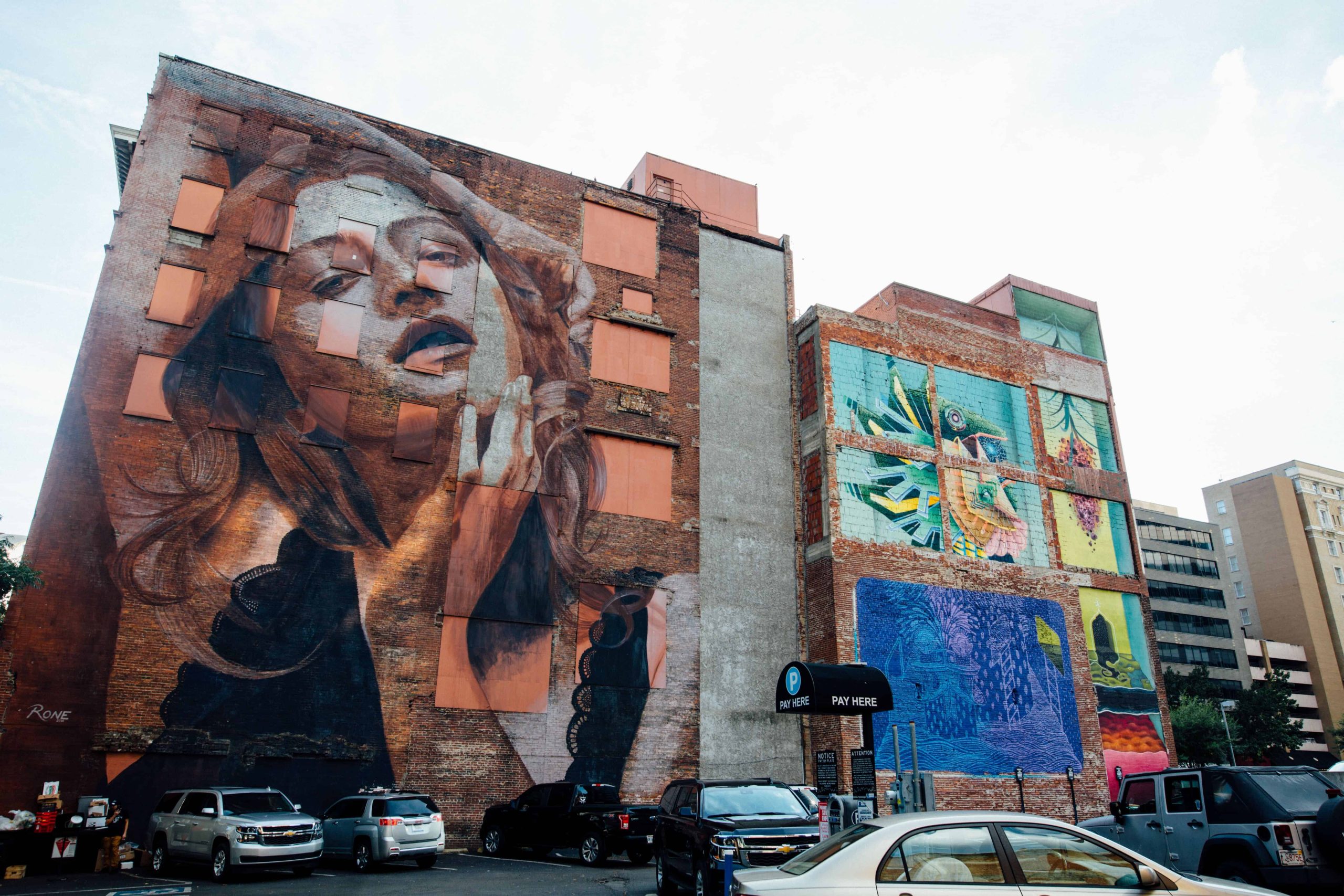
A blank wall and a community mural create two very different experiences for anyone walking down a street. Empty concrete surfaces often blend into the background, becoming overlooked parts of the urban landscape. In contrast, a mural immediately captures attention through color, imagery, and storytelling. It transforms a simple wall into something memorable, giving people a reason to stop, observe, and engage with their surroundings.
Public art serves a purpose that extends beyond decoration. Murals communicate ideas, celebrate local culture, highlight community values, and encourage dialogue among residents and visitors. They can tell stories about a neighborhood’s identity while creating visual interest in places that might otherwise feel neglected or uninspiring. As a result, murals become more than artistic displays. They act as catalysts that can reshape the social and emotional atmosphere of a street, influencing how people perceive and interact with a space.
The Psychology of Visual Environment
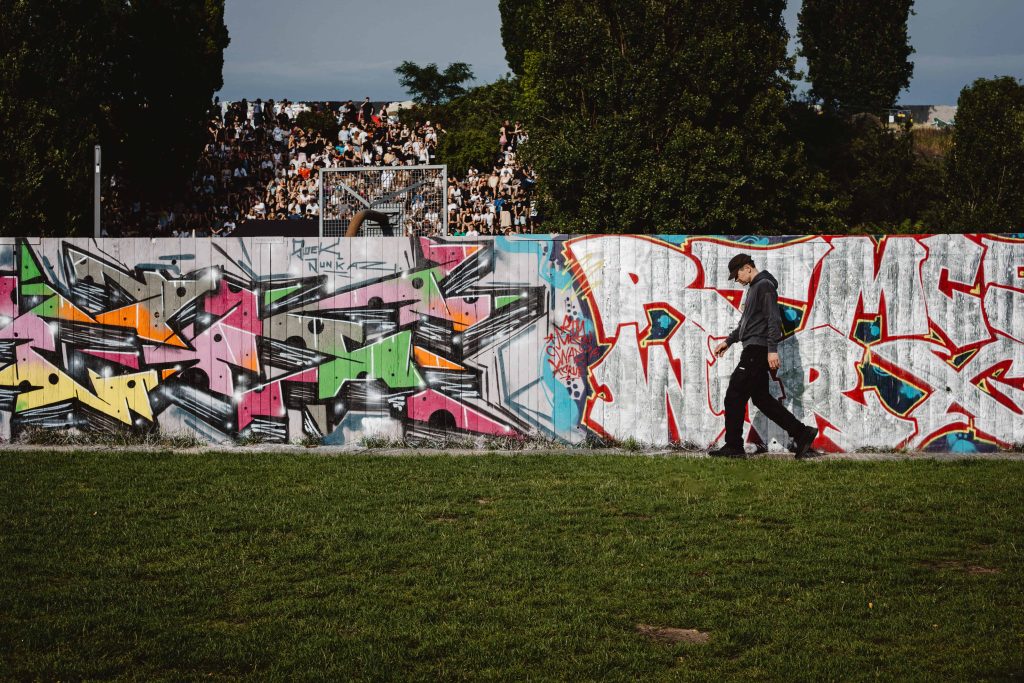
The appearance of a physical environment has a measurable impact on how people feel. Blank, gray, or heavily marked walls can create an impression of neglect, making an area seem less welcoming or engaging. While not everyone consciously notices these visual cues, they often influence first impressions and contribute to how people perceive the safety, comfort, and attractiveness of a location.
Color and imagery play an important role in shaping emotional responses. Research in environmental psychology suggests that vibrant colors, natural themes, and positive visual elements can improve mood and create a more pleasant experience for people moving through public spaces. Murals often introduce these elements into streetscapes, replacing visual monotony with imagery that encourages curiosity and enjoyment.
A mural can also change how people use a space. Areas previously viewed as simple pathways for getting from one place to another may begin to attract attention as destinations in their own right. People are more likely to pause, take photographs, appreciate the artwork, or share the experience with others. This shift transforms the character of a street and contributes to a more active and engaging environment.
Fostering a Shared Identity
One of the most significant benefits of community murals is their ability to reflect the identity of local residents. Many mural projects incorporate themes inspired by neighborhood history, cultural traditions, local landmarks, or shared values. This approach allows artwork to represent the people who live and work in the area, creating a stronger sense of connection between the mural and the community.
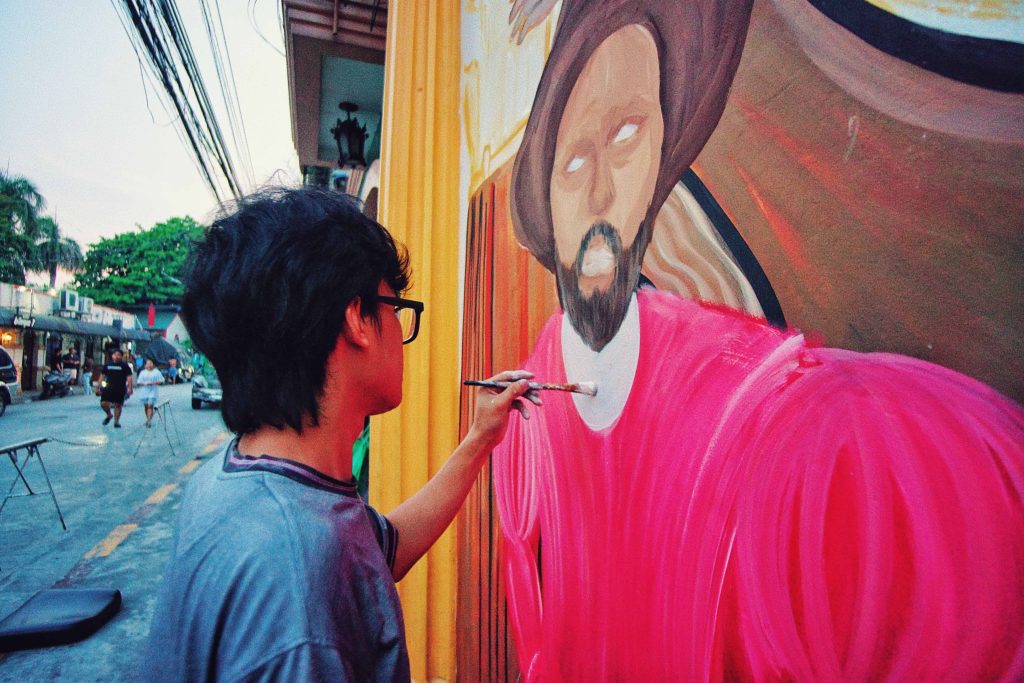
When residents participate in the planning or creation of a mural, the artwork often becomes a symbol of collective effort. A wall that once belonged solely to a building owner can evolve into a visual representation of community pride. People see their stories, experiences, and aspirations reflected in the artwork, strengthening their connection to the place.
Over time, murals frequently become local landmarks. Residents use them as meeting points, reference markers, and symbols of neighborhood identity. Visitors often associate these artworks with the surrounding community, helping create a distinct sense of place that differentiates one area from another.
From Neglect to Care: The "Broken Windows" Effect
Urban design researchers have long observed that well-maintained environments influence how people treat public spaces. When an area appears cared for and valued, individuals are often more likely to respect it. Community murals contribute to this effect by demonstrating that attention, creativity, and effort have been invested in a particular location.
Beautification projects can encourage residents to become more engaged with their surroundings. When people see improvements being made, they may feel inspired to contribute to maintaining the cleanliness and appearance of the area. This increased sense of responsibility can strengthen community involvement and promote positive stewardship of public spaces.
Murals can also foster what researchers call “place attachment,” a feeling of emotional connection to a specific location. People who feel attached to a place are often more inclined to care for it, support local initiatives, and participate in efforts to maintain its appearance. As a result, mural projects can help create environments where residents feel a stronger sense of belonging and pride.
Sparking Social Connection
Community murals naturally encourage interaction. Their visual appeal often prompts people to stop and discuss the artwork, ask questions, or share their interpretations. These conversations can occur between neighbors, visitors, artists, and community members who might not otherwise have an opportunity to connect.
The creation process itself can also strengthen relationships. Community mural projects frequently involve volunteers, local organizations, schools, and artists working together toward a shared goal. Collaborative experiences like these can build trust, strengthen social bonds, and create lasting connections among participants.
Once completed, a mural can transform a functional street into a social space. People may spend more time in the area, gather with friends, take photographs, or simply enjoy the environment. This increased activity contributes to a more vibrant atmosphere and helps create a stronger sense of community within the neighborhood.
Conclusion
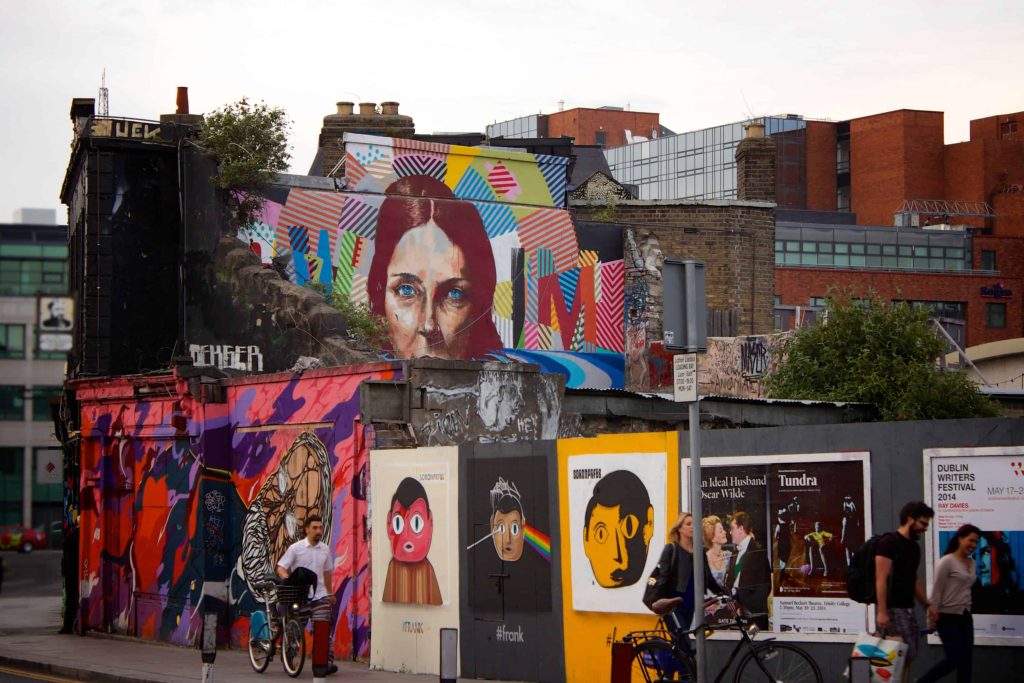
The transformation created by a community mural extends far beyond the paint applied to a wall. Through color, storytelling, and shared participation, murals influence how people perceive and experience public spaces. They can improve the visual environment, strengthen local identity, encourage greater care for neighborhoods, and create opportunities for meaningful social interaction.
The impact of a mural often lasts for years, becoming part of the community’s visual and cultural landscape. As residents continue to engage with the artwork, its influence can shape the character and energy of a street long after the final brushstroke has dried.
The next time you pass an empty wall, consider the possibilities it holds. What stories could it tell? What connections could it inspire? A single mural has the potential to transform not only a surface but also the way an entire community experiences the space around it.
Key Takeaways
- Community murals transform ordinary streets into engaging public spaces through color, storytelling, and visual interest.
- Public art can positively influence how people perceive and experience their environment, encouraging greater interaction with shared spaces.
- Murals help strengthen community identity by reflecting local culture, values, and collective experiences.
- Well-maintained and visually appealing public spaces often encourage greater community pride, care, and participation.
- Community mural projects create opportunities for social connection, collaboration, and stronger neighborhood relationships.
- Over time, murals can become local landmarks that contribute to a neighborhood’s unique character and sense of place.
FAQs
How does a community mural influence the atmosphere of a street?
A community mural can transform the visual character of a street by introducing color, creativity, and meaningful imagery into public spaces. It encourages people to slow down, observe their surroundings, and interact with the environment. This often creates a more welcoming, engaging, and memorable experience for residents and visitors alike.
Why are community murals important for neighborhood identity?
Community murals often reflect local stories, cultural traditions, landmarks, and shared values. By showcasing elements that are meaningful to residents, murals help strengthen a sense of belonging and pride. Over time, they can become recognizable landmarks that contribute to a neighborhood’s unique identity and character.
Can community murals encourage stronger social connections?
Yes. Murals frequently serve as conversation starters and gathering points within a community. The collaborative process of planning and creating a mural can bring together residents, artists, schools, and organizations. These shared experiences help build relationships, encourage participation, and foster a stronger sense of community engagement.
Anyone curious about how visual creations have historically helped resolve social disputes and heal divided communities will find a lot of interesting ideas in our new publication discussing how art functions as a powerful tool for global understanding that goes far beyond simple aesthetic value to actively bring people closer.