
03 Aug Art as a Tool for Peace in a Divided World
Introduction
Art has long served as a bridge between individuals, communities, and cultures, offering a way to communicate ideas that extend beyond spoken language. In contexts where misunderstanding or social division exists, creative expression can help people reflect on shared human experiences. Through visual, musical, and performative forms, art encourages reflection and dialogue, making it a valuable instrument in fostering understanding and easing tension between differing perspectives.
The Psychology of Art: How Visuals Shift Perspectives
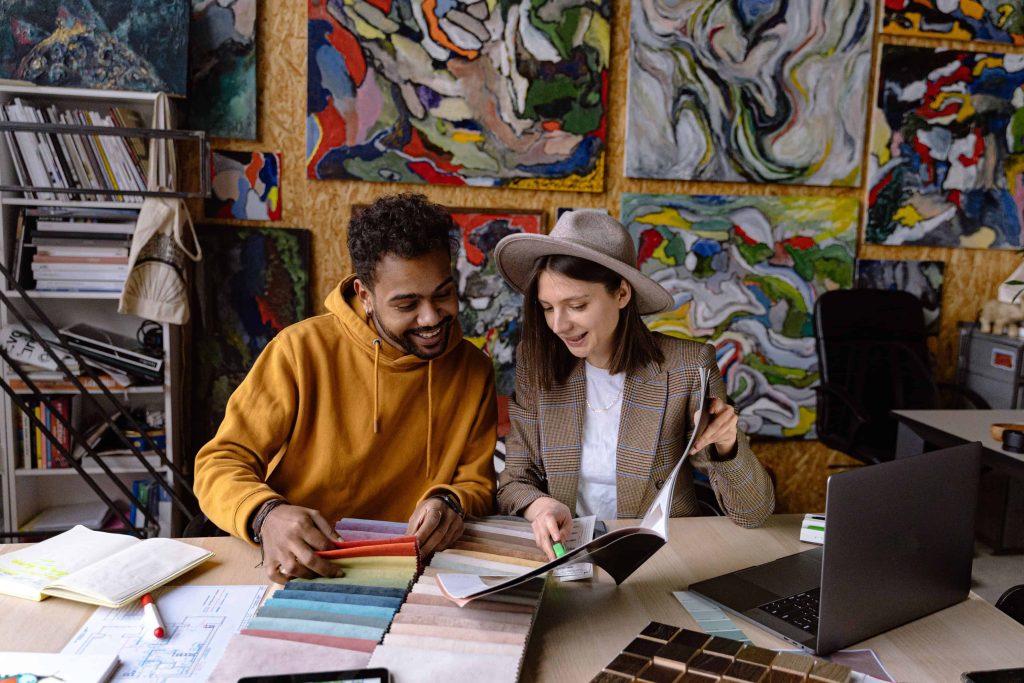
Art influences perception by engaging emotional and cognitive processes simultaneously. When individuals encounter visual or auditory works, they often respond in ways that bypass analytical reasoning, allowing for more immediate emotional recognition. This emotional engagement can help people reconsider assumptions and become more open to alternative viewpoints, especially when encountering unfamiliar cultural expressions.
Building Empathy Through Aesthetic Experience
Exposure to artistic works that depict diverse human experiences can strengthen empathy by encouraging viewers to mentally place themselves in another person’s situation. This process supports emotional connection and reduces psychological distance between individuals from different backgrounds. Over time, repeated engagement with such experiences can reinforce more compassionate and socially aware thinking patterns.
Art as a Universal Language Beyond Barriers
Art functions as a form of communication that does not rely on shared spoken language. Visual symbols, rhythm, movement, and sound can convey meaning across linguistic and cultural boundaries. This universality allows art to serve as a practical medium for dialogue in multicultural environments where direct verbal communication may be limited or complex.
A Historical Overview of Art in Peacebuilding
Throughout modern cultural history, art has been used to shape public sentiment, support social cohesion, and promote shared values within communities. In many societies, artistic movements have evolved alongside changing cultural priorities, often reflecting a growing emphasis on dialogue, unity, and mutual understanding rather than division.
Propaganda vs. Peace: The Shift in Artistic Messaging
In earlier periods, visual media was frequently used to influence public perception and reinforce dominant narratives. Over time, however, many artistic communities have shifted toward promoting inclusive themes, focusing on cooperation, shared identity, and human connection. Contemporary artistic expression often prioritizes authenticity and emotional truth rather than persuasive messaging.
Cultural Identity and Social Reconstruction
Art plays a significant role in shaping and preserving cultural identity, particularly during periods of social transformation. Community-based art projects, museum initiatives, and public exhibitions often contribute to rebuilding a sense of belonging and continuity. These efforts help societies document lived experiences and strengthen collective memory through creative expression.
Forms of Artistic Expression Used for Diplomacy
Artistic expression is frequently incorporated into cultural exchange programs and international initiatives designed to encourage mutual understanding. Different art forms contribute uniquely to this process, offering varied ways for individuals to engage with unfamiliar perspectives.
Visual Arts: Murals, Exhibitions, and Installations
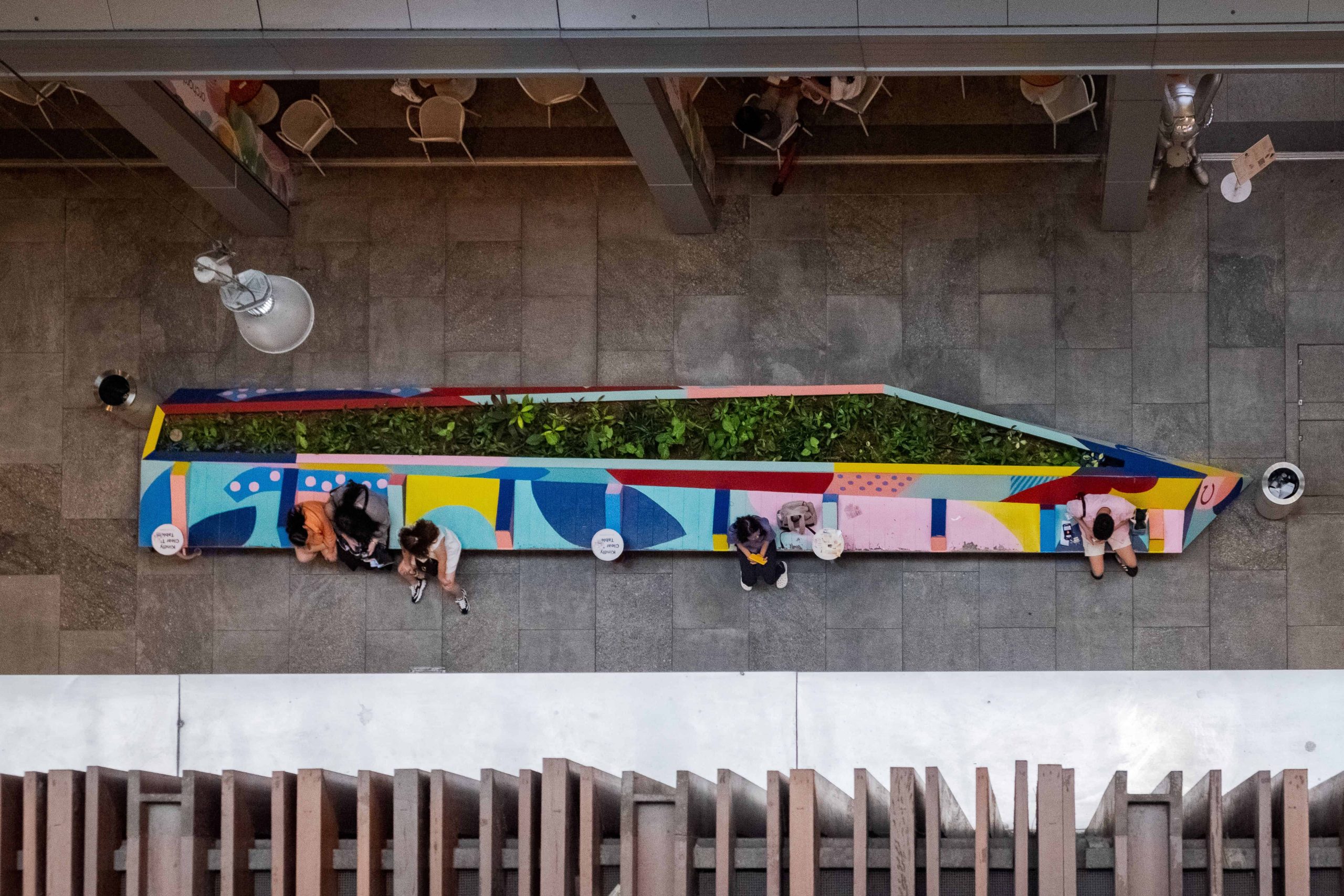
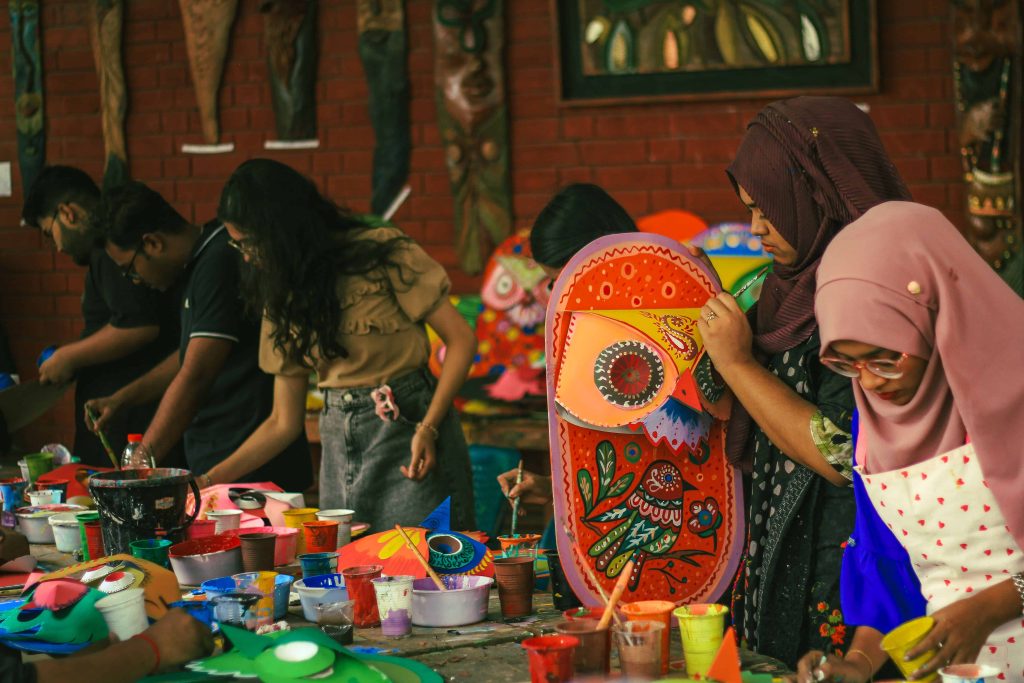
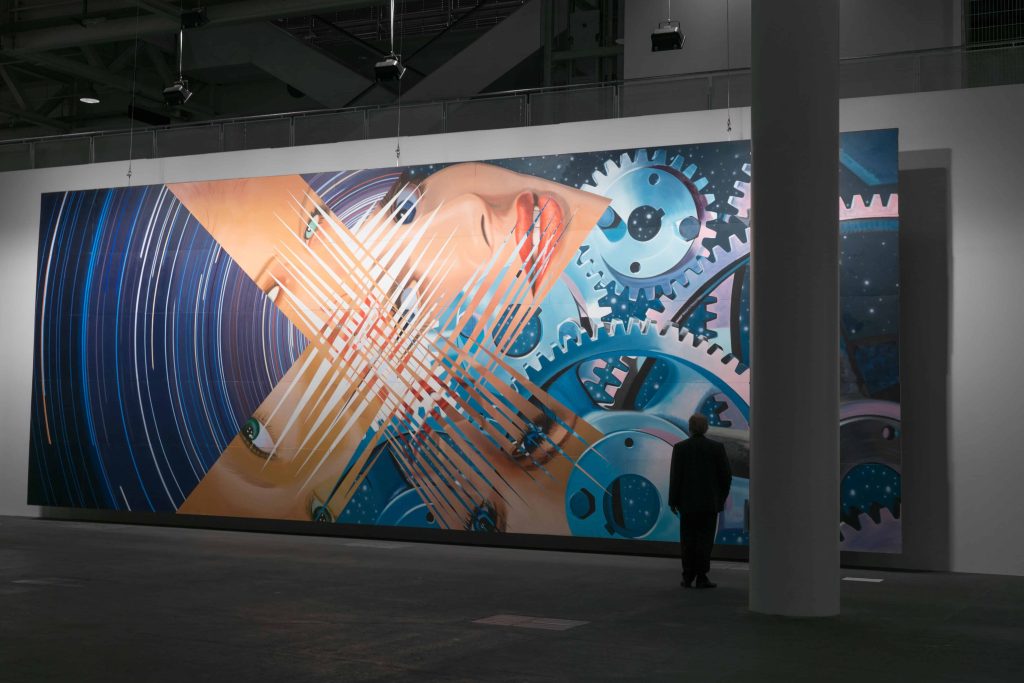
Visual art forms such as murals, exhibitions, and installations provide accessible platforms for storytelling in public and curated spaces. These works often reflect community values and lived experiences, allowing audiences to engage with themes of identity, cooperation, and shared humanity in a direct and impactful way.
Performance and Theatre: Encouraging Dialogue
Theatre and performance-based arts create structured environments where narratives can be explored from multiple viewpoints. Through storytelling, character interaction, and live interpretation, these forms encourage audiences to reflect on complex social dynamics and consider alternative perspectives in a safe and guided setting.
Music and Rhythm: Connecting Communities
Music has a strong capacity to foster emotional connection across diverse groups. Shared rhythms and melodies can create a sense of unity, even among individuals with different backgrounds. Community music projects, choirs, and collaborative performances often serve as inclusive spaces for participation and collective expression.
Digital Art and Modern Technology
Advancements in digital tools have expanded the reach of artistic expression, enabling creators to connect with global audiences instantly. Technology has also introduced new formats that enhance immersive and interactive experiences, broadening the impact of art in social engagement.
Virtual Reality as a Tool for Empathy
Virtual reality experiences allow users to engage with simulated environments that represent different perspectives or lived experiences. This immersive format can encourage deeper emotional understanding by placing individuals in scenarios that foster reflection and awareness of diverse human conditions.
Social Media Campaigns and Global Connectivity
Social media platforms have become significant channels for artistic distribution and engagement. Artists can share work widely, participate in global conversations, and collaborate across borders. These platforms also enable community-driven initiatives that use visual storytelling to promote dialogue and shared understanding.
The Future of Art in International Relations
As global interactions continue to evolve, art is increasingly recognized as a meaningful component of cultural diplomacy and education. Its role in fostering communication and mutual respect is expected to expand through structured programs and community initiatives.
Integrating Art into Policy Making
Some cultural and educational institutions incorporate artistic perspectives into discussions on social development and community engagement. By involving artists in advisory and collaborative roles, decision-makers can gain additional insights into public sentiment and cultural dynamics.
Educational Initiatives and Grassroots Movements
Educational programs that include art-based learning encourage creativity, critical thinking, and emotional awareness. Grassroots initiatives also play an important role by providing accessible platforms for artistic participation, helping communities engage in shared expression and dialogue.
Conclusion
Art continues to serve as a meaningful medium for connection in diverse and evolving societies. Through its ability to communicate emotion, foster empathy, and encourage dialogue, it offers practical ways for individuals and communities to engage with difference constructively. As creative expression expands through both traditional and digital forms, its role in supporting understanding and cohesion is likely to remain significant.
Key Takeaways
- Art serves as a non-verbal bridge for communication, allowing individuals and communities to express ideas and emotions beyond language barriers and cultural differences.
- Creative expression influences both emotion and cognition, which helps people reconsider assumptions and become more open to alternative perspectives.
- Exposure to diverse artistic works strengthens empathy by enabling audiences to emotionally relate to experiences outside their own social or cultural context.
- Across history, art has functioned both as a tool for shaping public perception and as a medium for promoting unity, shared identity, and social cohesion.
- Contemporary artistic practice increasingly emphasizes inclusion, emotional authenticity, and cross-cultural understanding rather than persuasive or dominant narratives.
- Community-based art initiatives play a key role in cultural preservation and social reconstruction by strengthening belonging and documenting shared experiences.
- Different art forms contribute uniquely to dialogue: visual arts communicate shared identity, performance encourages perspective-taking, and music fosters emotional connection.
- Digital technologies, including virtual reality and social media, have expanded the global reach of art and enabled more immersive and participatory forms of engagement.
- Art is becoming more integrated into cultural diplomacy, education, and policy discussions as a tool for improving communication and social understanding.
FAQs
How does art contribute to peacebuilding in divided communities?
Art fosters peace by creating shared emotional experiences that help individuals understand perspectives beyond their own. Through visual, musical, and performative expression, it reduces perceived differences, encourages dialogue, and supports empathy building. This process helps communities address misunderstandings in constructive, non-verbal ways that can complement communication and social cooperation.
What role do digital art and virtual reality play in promoting understanding?
Digital art and virtual reality expand access to immersive experiences that can simulate different perspectives and environments. These technologies allow audiences to engage emotionally with situations outside their lived reality, increasing awareness, empathy, and cross-cultural understanding while enabling artists to reach global audiences through interactive and widely shareable formats.
How is art used in education and policy-related initiatives?
Educational and policy-related initiatives use art to strengthen community engagement and cultural understanding. By integrating creative practices into learning environments and decision-making processes, institutions can encourage participation, critical thinking, and inclusive dialogue. These approaches help bridge social differences and support long-term cooperation within diverse populations.
From indigenous craftsmanship to modern interpretations of regional aesthetics, this article examines how diverse cultural influences are enriching international art, offering audiences new ways to appreciate creativity through a broader and more inclusive lens.