

02 Nov Why The Starving Artist Trope Needs to End
Introduction
The image of the struggling artist who sacrifices comfort, stability, and basic needs in pursuit of creative greatness has become deeply embedded in popular culture. From films and novels to social media discussions, artists are often portrayed as individuals who must endure hardship to create meaningful work. While this narrative may seem romantic or inspiring on the surface, it creates unrealistic expectations and contributes to harmful attitudes toward creative labor. The idea that artists must suffer to be authentic has little basis in reality and often undermines the value of artistic work. Moving beyond the “starving artist” trope is essential for building a healthier creative environment where artists can thrive, innovate, and contribute fully to society.

The Origins of a Harmful Myth
The belief that great art emerges primarily from hardship has roots in centuries of cultural storytelling. Throughout history, stories about gifted creators who endured difficult circumstances were often highlighted and celebrated. Over time, these examples helped create a broader narrative suggesting that suffering was not merely associated with artistic achievement but was somehow necessary for it.
Literature, theater, films, and other forms of media further popularized the concept of the “tortured artist.” Audiences became familiar with stories of creators who struggled financially, socially, or emotionally while producing influential work. While some artists did face significant challenges, these stories often overlooked the practical realities of their lives and ignored countless successful creators who worked within stable and supportive environments.
Another factor contributing to this myth was the gradual shift in how creative work was perceived. Rather than being viewed solely as a skilled profession requiring training, discipline, and expertise, artistic work was increasingly framed as a personal calling driven by passion alone. This perspective sometimes encouraged the belief that artists should accept poor working conditions, low pay, or unpaid opportunities because they were supposedly pursuing a higher purpose rather than a profession.
The Real-World Damage of the Stereotype
Mental and Physical Burnout
The romanticization of struggle can have serious consequences for artists. Creative work requires concentration, experimentation, and sustained effort. Constant financial stress, unstable living conditions, and excessive workloads can make it significantly more difficult to focus on the creative process. Instead of inspiring better work, chronic stress often reduces productivity, limits creative exploration, and increases the risk of burnout.
Research on creativity and cognitive performance consistently shows that people perform better when their basic needs are met and when they have access to supportive environments. Adequate rest, proper nutrition, access to healthcare, and manageable stress levels all contribute to stronger creative output. Suffering itself does not produce better art. What often produces better art is the ability to dedicate time, energy, and attention to meaningful creative work.
The Justification of Low Pay and Exploitation
The “starving artist” stereotype also contributes to the undervaluation of creative labor. When society assumes that artists create primarily for passion, it becomes easier for individuals and organizations to dismiss the importance of fair compensation. This mindset can lead to situations where artists are expected to provide work at reduced rates or even for free.
One of the most common manifestations of this problem is the idea that artists should accept “exposure” instead of payment. While visibility can sometimes provide opportunities, exposure does not replace the resources required to sustain a creative career. Artists invest significant time, expertise, and effort into their work, and treating their contributions as less valuable than other professional services creates an unequal standard that harms the creative sector.
Financial Guilt and Imposter Syndrome
Many artists internalize the belief that earning money from their work somehow diminishes its authenticity. As a result, they may feel uncomfortable charging appropriate rates, promoting their services, or pursuing commercial opportunities. This guilt can create unnecessary barriers to career development and long-term sustainability.
The stereotype also encourages a false choice between artistic integrity and professional success. In reality, artists can maintain their creative vision while building stable careers. Creating work that resonates with audiences and generates income does not make someone less committed to their craft. Professional success and artistic excellence are not opposing goals.

Art Requires Resources, Not Just Passion
Passion is an important part of artistic creation, but passion alone cannot sustain a creative practice. Producing art often involves significant investments of time and resources. Materials, equipment, software subscriptions, workspace costs, professional development opportunities, and educational resources all contribute to the creation of finished work.
These expenses are often overlooked by people outside creative industries. A painting may require specialized materials. A digital artist may depend on powerful hardware and software. Musicians need instruments and recording equipment. Writers invest in research materials, editing tools, and professional services. Every creative discipline involves costs that must be covered to maintain consistent production.
Financial stability can also provide artists with greater freedom to experiment and innovate. When creators are not constantly focused on meeting immediate needs, they often have more capacity to pursue ambitious projects, explore new techniques, and take creative risks. Stability does not limit creativity. In many cases, it expands the possibilities available to artists.
Shifting the Cultural Narrative
Treating Art as a Legitimate Profession
A meaningful change in public attitudes begins with recognizing artistic work as a legitimate profession. Artists develop specialized skills through years of practice, education, and experience. Their expertise deserves the same respect afforded to professionals in other fields.
This shift also requires removing the perceived divide between creativity and business. Activities such as pricing work appropriately, marketing services, building client relationships, and negotiating project terms are practical aspects of maintaining a professional career. These skills do not diminish artistic value. Instead, they help artists sustain their practice and reach broader audiences.
Understanding how to communicate value, manage projects, and promote creative work allows artists to focus more effectively on their craft. Business knowledge should be viewed as a useful professional tool rather than something that conflicts with artistic identity.
Redefining Artistic Success
The way society measures artistic success also deserves reconsideration. Too often, stories of struggle are celebrated more than stories of sustainability. This can create the impression that hardship somehow validates creative work.
A healthier perspective recognizes that success can take many forms. Artists may find fulfillment through community engagement, creative innovation, audience impact, professional recognition, or sustainable income. None of these achievements become less meaningful because they are accompanied by stability.
Celebrating artists who build long-term, sustainable careers helps challenge outdated assumptions and provides more realistic role models for emerging creators. It demonstrates that professional growth and artistic excellence can coexist.
How Society Can Actually Support Creators
Supporting artists begins with recognizing the value of creative labor. Businesses, organizations, and consumers all play a role in creating a healthier environment for creators. Rejecting the idea that exposure alone is adequate compensation is an important first step. Creative work deserves to be treated as valuable work.
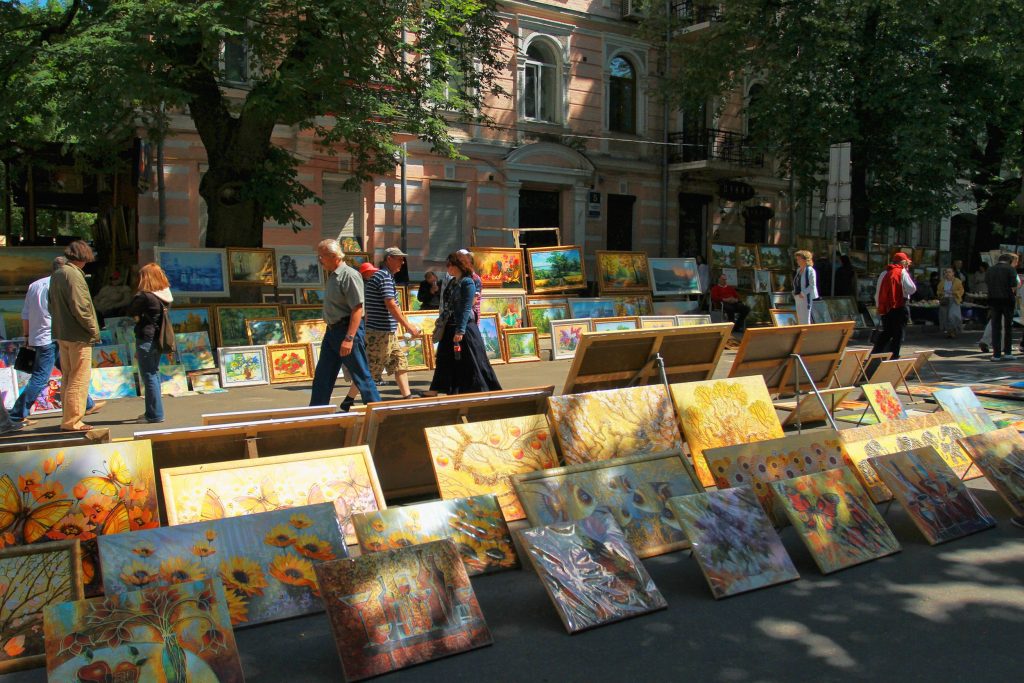
Direct support also matters. Purchasing artwork, commissioning creative services, subscribing to creator platforms, attending performances, and buying directly from artists all help sustain creative careers. These actions provide tangible support that allows creators to continue producing meaningful work.
Respect for creative boundaries and intellectual property is equally important. Artists invest significant effort into developing original work, and respecting ownership rights helps protect the integrity of the creative ecosystem. Recognizing the value of artistic contributions encourages a culture where creativity can flourish and where creators are treated fairly.
Conclusion
The “starving artist” trope has persisted for generations, but it no longer serves artists or society. By romanticizing hardship and treating struggle as a requirement for creativity, this narrative contributes to burnout, undervaluation, and unrealistic expectations. Artistic excellence is not dependent on suffering. It is supported by time, resources, knowledge, and opportunities.
Moving beyond this outdated stereotype allows artists to pursue sustainable careers while continuing to produce meaningful and impactful work. When creators are respected, compensated fairly, and given the resources they need, they can focus their energy on innovation and artistic growth. Supporting thriving artists benefits not only the individuals who create but also the communities and audiences who enjoy and value their work.
Key Takeaways
- The “starving artist” trope is a harmful myth that falsely links creative success with hardship and suffering.
- Financial stress, burnout, and unstable living conditions often hinder creativity rather than improve it.
- The stereotype contributes to the undervaluation of creative work by normalizing low pay and unpaid opportunities.
- Artists can maintain artistic integrity while building sustainable and financially stable careers.
- Creative work requires resources, professional skills, and fair compensation, not just passion.
- Treating art as a legitimate profession helps create healthier conditions for artists and the broader creative community.
- Supporting creators through fair payment, direct purchases, and respect for intellectual property helps sustain artistic growth and innovation.
FAQs
Why is the “starving artist” trope considered harmful?
The “starving artist” trope promotes the idea that suffering is necessary for creative success. This belief can normalize burnout, financial instability, and poor working conditions while encouraging society to undervalue artistic labor. In reality, artists often produce their best work when they have access to stability, resources, and supportive environments.
Can artists be financially successful without compromising their creativity?
Yes. Financial success and artistic integrity are not mutually exclusive. Many artists maintain their creative vision while building sustainable careers through commissions, sales, licensing, teaching, or other professional opportunities. Earning income from creative work allows artists to invest in their craft and continue producing meaningful work over the long term.
How can people better support artists and creators?
Supporting artists involves recognizing creative work as valuable labor. Purchasing artwork, commissioning projects, attending performances, subscribing to creator platforms, and paying fair rates all contribute to healthier creative careers. Respecting intellectual property and rejecting expectations of unpaid work also help create a more sustainable environment for creators.
Anyone who spends hours pouring their heart and soul into a creative project knows exactly how scary it feels to finally display that work publicly, which is exactly why I wanted to share my thoughts on the bravery required to share your vision with the world so that other artists can realize they are definitely not alone in feeling this intense vulnerability.