

27 Apr Breaking the “White Cube” Myth: Art Belongs Everywhere
Introduction
The “white cube” refers to the traditional gallery style characterized by square white walls, stark lighting, and an unadorned, minimalist environment. For decades, this design served as the definitive standard for presenting fine art, functioning under the assumption that a blank space isolates artwork from outside distractions. While this model aimed to focus all attention on the pieces themselves, it also inadvertently created an environment that can feel detached from everyday life. Bringing art out of these sterile settings and into the public eye is essential for making creative expression an active, shared part of modern society.
What Is the "White Cube" and Why Did It Become the Standard?
Defining the White Cube Gallery Model
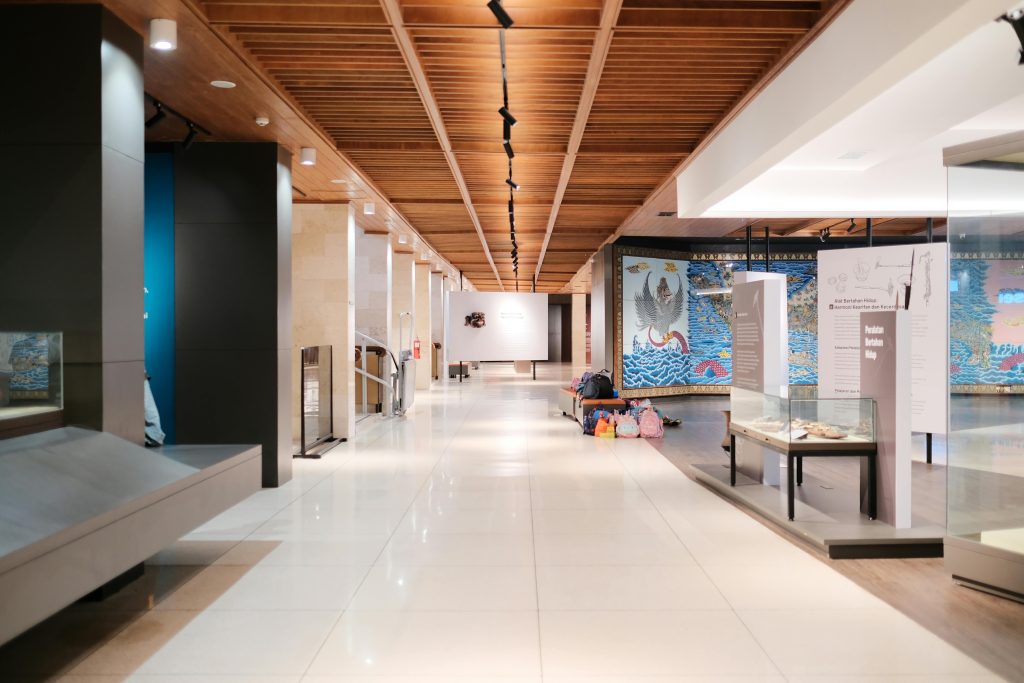
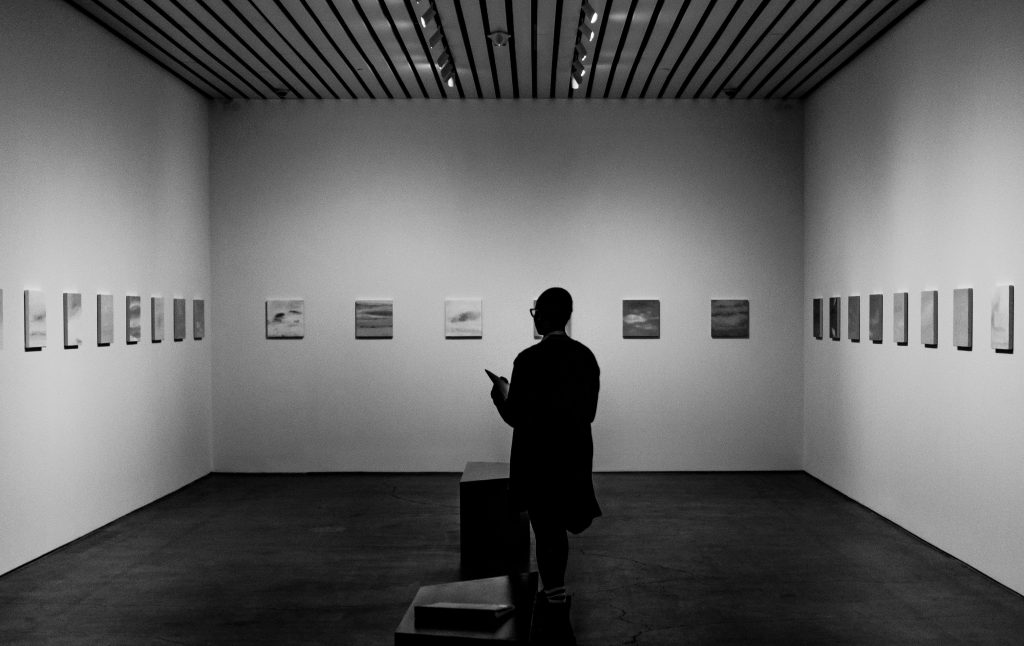
The white cube gallery model relies on architectural minimalism to present artwork. These spaces feature solid white walls, hidden or neutral lighting fixtures, and polished floors, completely removing any windows, decorative details, or outside views. The design philosophy suggests that by eliminating external context, the viewer can appreciate the artwork in its purest form, free from the influence of the outside world.
The Historical Rise of Minimalist Exhibition Spaces
This exhibition style gained widespread popularity during the twentieth century as modern art movements began to flourish. Institutions moved away from the crowded, salon-style salons of the previous era, which featured floor-to-ceiling paintings and ornate wallpaper. As artists experimented with abstract forms and large-scale canvases, curators found that clean, unblemished walls provided the visual clarity needed to showcase these new styles.
How the White Cube Influences the Way People Experience Art
While the white cube provides an undisturbed viewing experience, it also dictates how people behave when looking at art. The quiet, reverent atmosphere often mimics that of a library or a house of worship, which encourages silent contemplation rather than open discussion. This design can make the artwork feel precious and fragile, altering the viewer’s interaction from a casual conversation into a formal observation.
The Limitations of Keeping Art Inside Gallery Walls
Barriers to Accessibility and Inclusion
Confining art exclusively to formal galleries creates immediate physical and psychological barriers for many people. Galleries are often concentrated in wealthy urban districts, requiring travel and time that many individuals cannot easily afford. The formal atmosphere can also make people feel unwelcome if they are unfamiliar with gallery etiquette, effectively locking creative works behind invisible doors.
The Perception That Art Is Only for Certain Audiences
When artwork is displayed only in specialized, high-end environments, it reinforces the idea that art is a luxury intended solely for collectors, critics, and academics. This specialization can alienate the general public, leading to a widespread belief that one needs an advanced degree or a specific background to understand or enjoy creative expression.
How Physical and Cultural Distance Can Reduce Engagement
The physical separation of galleries from residential neighborhoods means that art remains an occasional, planned destination rather than a natural part of life. When people must make a deliberate effort to seek out art, overall cultural engagement drops. This distance prevents spontaneous interaction and stops art from becoming a familiar element in people’s daily routines.
Art in Public Spaces Creates Shared Experiences
Murals, Installations, and Community Art Projects
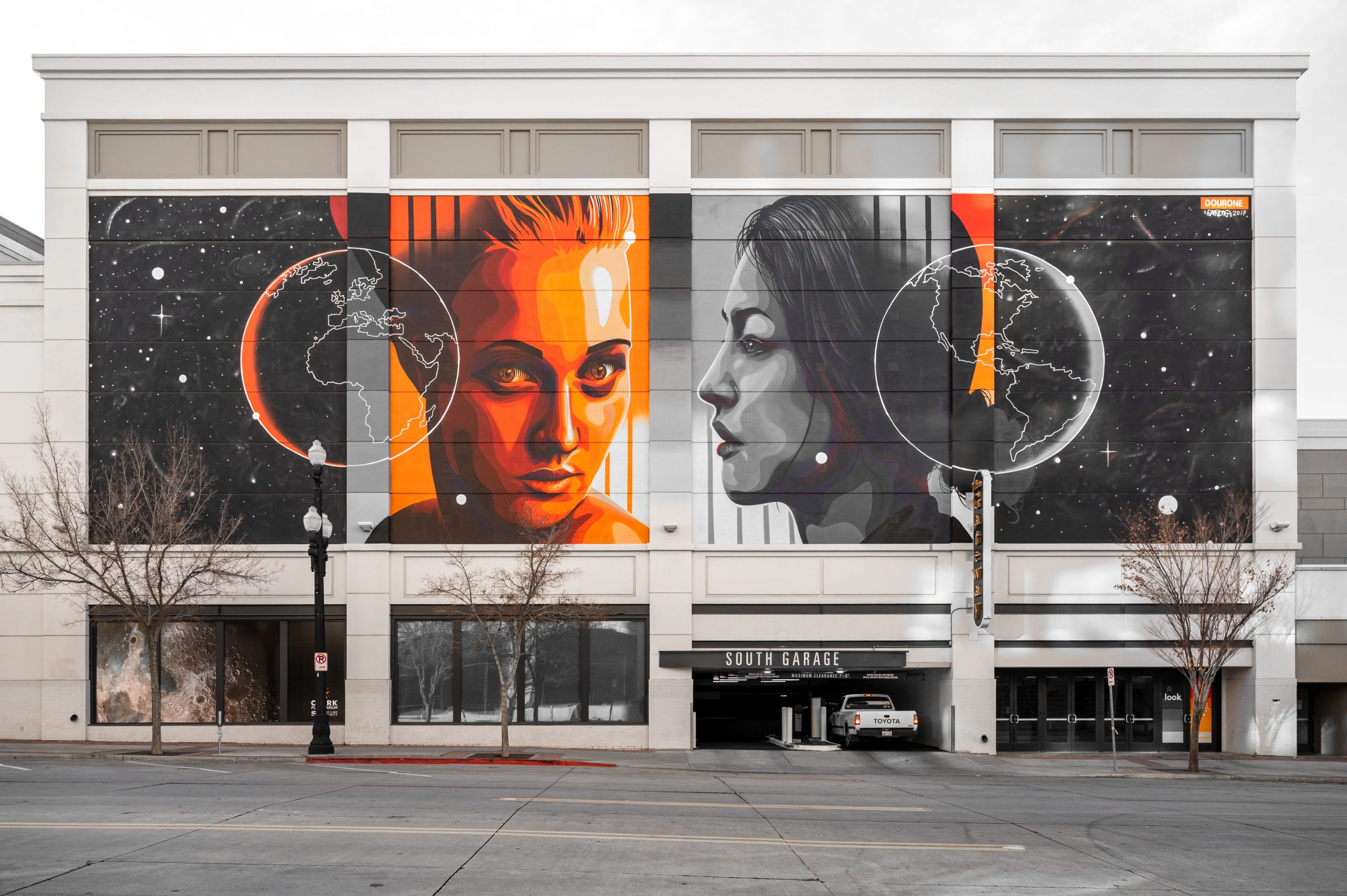
Public art projects, such as large-scale street murals, outdoor sculptures, and neighborhood installations, offer a direct alternative to the gallery model. These projects are accessible to anyone walking down the street, transforming public areas into open-air museums. Because these pieces exist in the open, they naturally become local landmarks that people gather around and discuss.
Turning Everyday Environments into Creative Spaces
Integrating art into alleys, transit stations, and utility boxes changes how people view their surroundings. A colorful mural on a brick wall or a unique sculpture in a public park breaks the monotony of concrete infrastructure. This integration proves that any surface can host creativity, turning routine commutes into opportunities for visual discovery.
Encouraging Interaction Beyond Traditional Audiences
Public art reaches individuals who might never step foot inside a traditional museum. By placing artwork in paths that people use for work, school, and shopping, artists can connect with a truly diverse audience. This casual exposure encourages spontaneous conversations among strangers, sparking dialogue outside the confines of formal institutions.
How Art Enhances Daily Life
Art in Schools, Libraries, and Community Centers
Placing original artwork and student creations in educational and civic spaces enriches the environments where people learn and gather. Libraries and community centers that feature rotating displays of local art become more vibrant, welcoming hubs. In schools, constant exposure to visual arts stimulates imagination and creative thinking among students from an early age.
The Role of Art in Workplaces and Public Buildings
Integrating art into offices, hospitals, and government buildings can significantly improve the atmosphere of functional spaces. Visual art in workplaces can reduce stress, boost morale, and encourage innovative thinking among employees. In healthcare facilities, soothing landscapes or engaging sculptures offer comfort and a welcome distraction for patients and visitors alike.
Building Emotional and Cultural Connections Through Everyday Encounters
Encountering art during daily routines helps individuals build a stronger connection to their surroundings. Whether it is a sculpture passed on a morning walk or a painting hanging in a local clinic, these steady visual touchpoints offer moments of reflection. Over time, these encounters cultivate a deeper personal appreciation for creativity as a regular part of life.
The Power of Art in Books, Media, and Digital Spaces
Expanding Access Through Publishing and Visual Storytelling
Books, art journals, and high-quality prints have long served as vital tools for distributing art outside gallery walls. Art books allow individuals to study intricate details of masterpieces from the comfort of their homes. Visual storytelling through print media ensures that geographic isolation does not prevent someone from experiencing significant artistic works.
How Digital Platforms Bring Art to Wider Audiences
The internet and digital archiving have transformed how the public interacts with visual culture. Online galleries, virtual museum tours, and high-resolution digital collections allow anyone with an internet connection to view artwork from around the world. This digital availability removes physical boundaries, allowing people to explore art histories and contemporary movements instantly.
Creating New Opportunities for Discovery and Engagement
Social media and digital platforms enable living artists to share their creative processes directly with the public. Viewers can watch studio livestreams, read about the inspiration behind a piece, and leave comments for the creator. This direct interaction removes the traditional gatekeepers of the art world, allowing audiences to discover new talent organically.
Why Community-Based Art Matters
Strengthening Local Identity and Pride
Community-based art projects often reflect the specific history, values, and character of the neighborhood where they are located. When local residents see their own experiences represented in a public mural or sculpture, it fosters a sense of pride and ownership. These projects help define the visual identity of a neighborhood, making it distinct and memorable.
Encouraging Participation Rather Than Observation
Many community art initiatives invite residents to participate directly in the creation process, from painting sections of a mural to contributing items for an installation. This shift changes the public from passive observers into active creators. Collaborative art-making builds strong bonds among neighbors and gives participants a lasting connection to the finished piece.
Supporting Diverse Voices and Creative Expression
Grassroots art initiatives provide platforms for local and underrepresented artists who may not have access to major gallery networks. By focusing on community spaces, these projects ensure that a wider variety of perspectives and cultural traditions are visible. This diversity enriches the local cultural landscape, offering a truer reflection of the community’s makeup.
Rethinking Who Art Is For
Challenging Elitist Perceptions of Art
Moving art out of the white cube directly challenges the idea that creativity belongs only to a privileged elite. When high-quality art exists in parks, libraries, and public squares, it strips away the exclusivity often associated with the art market. This shift demonstrates that aesthetic value is not determined by a price tag or a prestigious gallery address.
Making Creativity More Approachable
When art is integrated into familiar environments, it becomes far more approachable. People feel free to interpret, critique, or simply enjoy a piece without the pressure of academic judgment. This casual environment demystifies the creative process, helping individuals realize that their personal reactions to art are entirely valid.
Encouraging Lifelong Engagement with Artistic Expression
When people grow up seeing art all around them, they are more likely to maintain an interest in creative activities throughout their lives. Early and regular exposure helps individuals develop their own tastes and encourages them to seek out new creative experiences. This ongoing familiarity builds a society that values and actively supports cultural endeavors.
The Future of Art Beyond the White Cube
Hybrid Models of Exhibition and Public Engagement
The future of the art world points toward hybrid models that combine traditional curation with public accessibility. Pop-up exhibitions in abandoned warehouses, storefront galleries, and outdoor art festivals are becoming increasingly common. These flexible formats allow curators to present sophisticated projects while remaining deeply connected to urban environments.
Integrating Art Into Everyday Infrastructure
Urban planners and architects are increasingly incorporating art directly into the design of public infrastructure. Bridges, retaining walls, transit hubs, and parks are now being built with integrated artistic elements. This approach ensures that public works projects serve both functional needs and aesthetic purposes, making art a permanent fixture of civic design.
Creating a More Open and Accessible Cultural Landscape
As the emphasis shifts away from isolated exhibition spaces, the cultural landscape becomes inherently more democratic. Art becomes a shared resource, distributed evenly throughout communities rather than concentrated in select institutions. This openness ensures that the benefits of creative expression are available to everyone, regardless of background or location.
Conclusion
The era of viewing the white cube gallery as the sole legitimate home for art is giving way to a more inclusive approach. While traditional galleries still offer a focused environment for quiet study, they represent just one of many ways to experience creativity. Placing artwork in public squares, schools, digital spaces, and community hubs allows creative expression to thrive where people actually live and gather. By bringing art into everyday environments, society creates stronger communities, fosters deeper cultural connections, and ensures that creativity remains a shared human experience.
Key Takeaways
- The “White Cube” Paradox: While traditional, minimalist galleries aim to isolate art from outside distractions, their sterile, library-like atmosphere can create physical, social, and psychological barriers that make art feel exclusive and detached from daily life.
- Democratizing Art via Public Spaces: Moving artwork into everyday environments—such as street murals, transit hubs, parks, and utility boxes—transforms routine spaces into open-air museums, making creative expression accessible to everyone and sparking spontaneous community dialogue.
- Enriching Daily Environments: Integrating art into functional buildings like schools, libraries, workplaces, and hospitals significantly improves the atmosphere, reduces stress, sparks student imagination, and offers comfort.
- Digital and Print Expansion: Books, media, and digital platforms remove geographic barriers, allowing global audiences to tour museums virtually and interact directly with living artists without traditional gatekeepers.
- Fostering Community Pride and Participation: Grassroots, community-based art initiatives give underrepresented local creators a voice and transform passive observers into active participants, strengthening neighborhood identity and pride.
A More Accessible Future: The future of art relies on hybrid exhibition models (like pop-up galleries and storefront displays) and incorporating artistic elements directly into urban infrastructure, ensuring creativity is a shared resource for all.
FAQs
What is the primary problem with the traditional “white cube” gallery model?
While the white cube model isolates artwork to eliminate outside distractions, its minimalist, sterile design often creates an unintended psychological barrier. The silent, formal atmosphere mimics a house of worship, which can make everyday visitors feel unwelcome, detached, and hesitant to engage in open discussion.
How does moving artwork into public spaces change the viewer’s experience?
Public art transforms routine environments like transit stations and parks into open-air museums. By placing creativity directly along daily paths, it removes the need for planned trips to wealthy urban districts. This setup sparks spontaneous interaction and casual conversations among strangers, making art a natural part of life.
Can digital platforms completely replace physical art galleries?
Digital platforms expand access through virtual tours and high-resolution collections, removing geographic boundaries. They allow living artists to share their studio processes directly with audiences. However, they complement rather than replace physical spaces, as community-based art still relies on tangible, shared environments to build local pride.
The most groundbreaking creative voices are often hiding in plain sight, far outside the polished galleries of major art capitals. True innovation requires a unique perspective, and some of the most compelling visual stories are being told by creators who rely on raw resourcefulness rather than traditional institutional funding.