

26 Oct The Courage It Takes to Put Your First Piece of Art on a Wall
Introduction
Creating art is often a deeply personal experience. Many artists spend countless hours sketching, painting, sculpting, or designing in private spaces where experimentation feels comfortable and mistakes remain unseen. While the creative process itself can be rewarding, displaying artwork publicly introduces an entirely different challenge. Hanging a piece of art on a wall, whether at home, in a gallery, at a community exhibition, or in a public venue, requires a level of courage that many creators underestimate.
The act of sharing creative work means allowing others to engage with something that reflects personal choices, ideas, skills, and perspectives. For first-time artists especially, displaying artwork can feel intimidating because it transforms a private activity into a public experience. Yet this step is often an important part of artistic growth. By placing work where others can see it, artists gain confidence, develop resilience, and begin participating in a larger creative conversation.
The Shift from Private Creator to Public Artist
The Safety of the Sketchbook or Studio
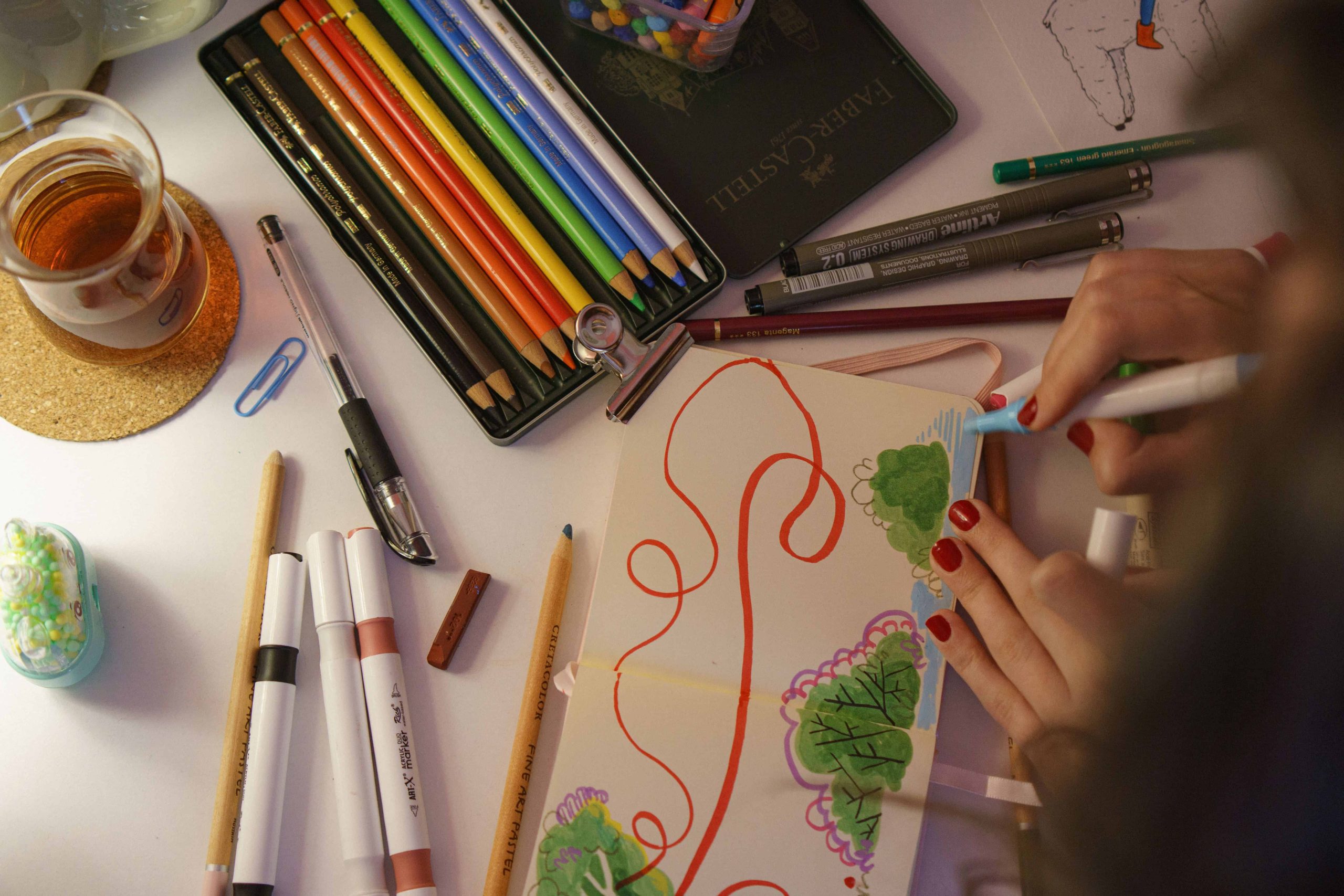
Private creative spaces offer a sense of security that many artists value. Within a sketchbook, studio, or workspace, there are no expectations from viewers and no pressure to explain artistic decisions. Artists can experiment freely with techniques, materials, and ideas without worrying about external opinions. This environment encourages learning because mistakes become opportunities for improvement rather than sources of embarrassment.
For many creators, this privacy becomes an essential part of the artistic process. However, remaining exclusively in private spaces can sometimes create a barrier between making art and sharing it. While personal practice helps develop technical skills, displaying artwork introduces a new dimension of growth that cannot be replicated in isolation. The transition from private creation to public presentation often marks an important milestone in an artist’s development.
The Psychological Weight of Empty Wall Space
An empty wall may seem insignificant, but for many artists it represents potential visibility. The moment artwork is placed on a wall, it gains a different presence. Instead of being stored in a portfolio or stacked in a studio corner, it becomes part of a physical environment that invites attention and interpretation.
Claiming wall space for artwork can alter how artists view their own creations. The piece no longer feels like a work in progress hidden from view. Instead, it becomes something worthy of observation. This shift often encourages artists to take their creative efforts more seriously and recognize the value of sharing their work with others.
Confronting the Inner Critic Before You Hang It Up
The Fear of Misinterpretation
Many artists worry that viewers will not understand the intended meaning behind a piece. This concern is common because art often communicates ideas through visual elements rather than direct explanations. Artists may wonder whether the emotions, themes, or messages they hoped to express will be recognized by others.
In reality, viewers often bring their own experiences and perspectives when engaging with art. Different interpretations do not necessarily indicate failure. Instead, they demonstrate the ability of artwork to encourage observation and personal reflection. Understanding that multiple interpretations are natural can help artists feel more comfortable sharing their work.
Battling Imposter Syndrome
Imposter syndrome affects individuals across many creative fields. Artists experiencing it may believe they are not skilled enough, experienced enough, or qualified enough to display their work publicly. They may compare themselves to established professionals and conclude that they have not yet earned the right to call themselves artists.
However, artistic identity is not determined solely by recognition or experience. Anyone actively engaged in creating art participates in the artistic process. Displaying artwork is not reserved for experts. It is a practice that helps artists gain confidence, improve presentation skills, and become more comfortable with sharing their creative voice.
The Trap of Perfectionism
Perfectionism often prevents artwork from ever reaching a wall. Artists may continually revise a piece, believing it requires just one more adjustment before it is ready. While refining work can be valuable, excessive perfectionism can delay growth and reduce opportunities for learning.
No artwork is entirely flawless. Even highly experienced artists frequently identify areas they would approach differently after completing a piece. Accepting that artwork can be meaningful and valuable without being perfect allows creators to move forward. Sharing completed work often provides insights and motivation that endless revisions cannot.
The Vulnerable Act of Physically Hanging the Art
The Finality of Framing
Framing artwork often represents a symbolic turning point in the creative process. Once a piece is framed, it begins to feel complete and prepared for presentation. The frame creates a sense of structure and professionalism that separates the artwork from earlier stages of development.
For many artists, this moment can be both exciting and intimidating. Framing signals that the piece is ready to leave the private space where it was created and enter a more public environment. This transition can feel significant because it transforms the artwork from a personal project into something intended for viewers.
Driving the Nail: The Moment of Commitment
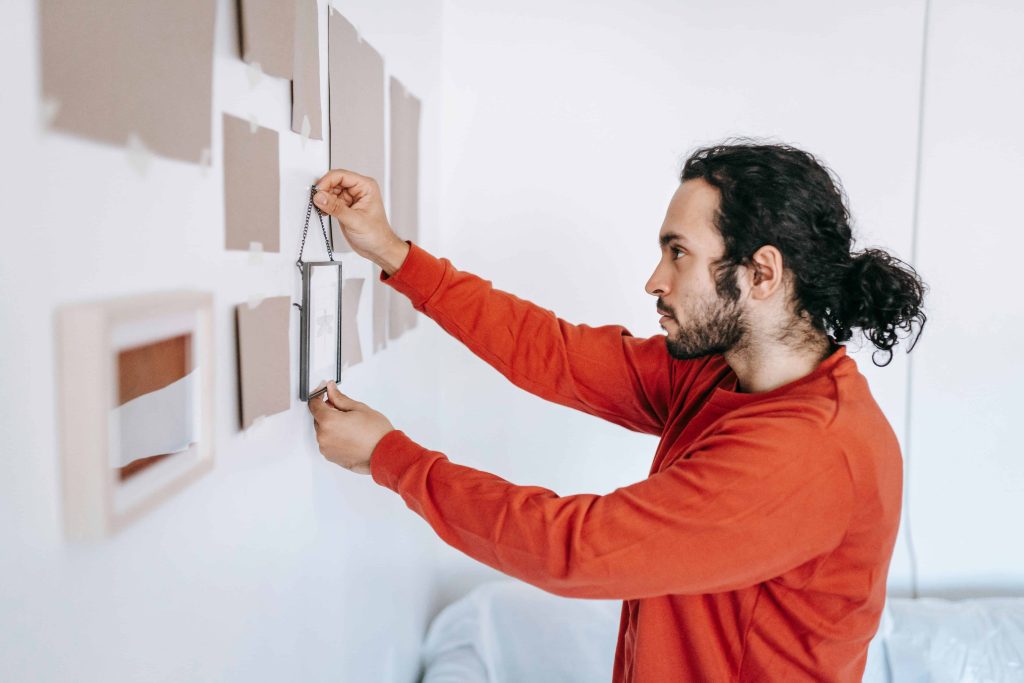
The simple act of placing a nail or hook into a wall carries surprising emotional weight. It represents a decision to display the artwork rather than keep it hidden. Once the piece is hung, the possibility of being seen becomes real.
This moment often feels like a leap of faith because it requires accepting uncertainty. Viewers may respond positively, negatively, or not at all. Regardless of the outcome, choosing to display the work demonstrates a willingness to move beyond fear and engage with the public side of artistic expression.
Navigating the Aftermath of Exposure
Processing Reactions and Feedback
After artwork is displayed, artists often become highly aware of how others respond. Compliments can feel encouraging, critiques may feel challenging, and periods of silence can sometimes create uncertainty. Learning to navigate these reactions is an important skill for creative growth.
Constructive feedback can provide valuable insights into how viewers engage with a piece. Positive comments can reinforce confidence and highlight strengths that the artist may not have recognized. Even when responses vary, each interaction contributes to a deeper understanding of audience perspectives and artistic communication.
Detaching Your Self-Worth from the Artwork
One of the most important lessons artists can learn is that the value of their work is not the same as their value as a person. Artwork is a product of effort, creativity, and skill, but it does not define an individual’s worth.
Viewers may respond differently to the same piece based on personal preferences, experiences, and interests. These reactions reflect subjective opinions rather than objective judgments of the artist. By separating self-worth from audience response, creators can continue developing their craft without allowing external opinions to determine their confidence.
Why This Brave Act Is Essential for Growth
Building Creative Momentum
Displaying a first piece of art often makes future displays easier. Once artists experience the process of sharing their work, many discover that the anticipation is more intimidating than the reality. Each successful step helps build confidence and reduces hesitation.
Creative momentum develops through action. Hanging one piece can inspire artists to complete another project, participate in exhibitions, or explore new creative opportunities. Over time, the act of sharing becomes a natural extension of the creative process rather than a source of fear.
Honoring Your Creative Voice
Every artist brings a unique combination of experiences, observations, skills, and perspectives to their work. When artwork remains hidden indefinitely, those perspectives are never shared with others. Displaying art allows creators to contribute their voice to broader artistic and cultural conversations.
Sharing artwork does not require universal approval or recognition. Instead, it reflects a willingness to participate, communicate, and connect through creative expression. By putting work on a wall, artists acknowledge that their perspective has value and deserves to be seen.

Conclusion
Putting your first piece of art on a wall is about much more than decoration. It is an act of confidence, vulnerability, and personal growth. The process challenges fears, confronts self-doubt, and encourages artists to move beyond private creation into public expression. While displaying artwork may feel uncomfortable at first, it often becomes one of the most important steps in building artistic confidence and developing a lasting creative practice.
Vulnerability is not a weakness in the artistic journey. It is evidence that the work matters. Every artist who shares a piece of their creativity takes a meaningful step toward growth, connection, and self-expression.
Key Takeaways
- Displaying artwork publicly requires courage because it transforms a private creative process into a shared experience.
- Fear of criticism, misinterpretation, imposter syndrome, and perfectionism are common challenges artists face before showing their work.
- Hanging a piece of art on a wall represents a meaningful commitment to sharing one’s creative voice with others.
- Audience reactions can provide valuable learning opportunities, but an artist’s self-worth should remain separate from feedback on their work.
- Taking the first step to display artwork helps build confidence, creative momentum, and long-term artistic growth.
- Sharing art is less about seeking approval and more about participating in creative conversations and expressing unique perspectives.
FAQs
Why is displaying artwork for the first time so intimidating?
Displaying artwork publicly can feel intimidating because it transforms a private creative activity into a visible experience. Artists often worry about judgment, criticism, or misunderstanding. Sharing a piece requires vulnerability, but it also creates opportunities for growth, confidence-building, and meaningful engagement with viewers.
How can artists overcome perfectionism when deciding to display their work?
Artists can overcome perfectionism by recognizing that no artwork is completely flawless. Waiting for perfection may prevent valuable learning experiences. Displaying a finished piece allows creators to receive feedback, gain perspective, and continue developing their skills rather than remaining stuck in endless revisions.
What are the benefits of putting artwork on display?
Displaying artwork helps artists build confidence, strengthen their creative identity, and develop resilience. It encourages participation in artistic communities and provides opportunities to understand audience reactions. Over time, sharing work publicly can create momentum that inspires future projects and continued artistic growth.
Next time you visit a museum or browse a gallery online, you can uncover a much deeper meaning behind every single painting by taking a few minutes to explore this fascinating look into the way a creator’s nationality and social background influence their technique right down to the smallest marks they leave on the canvas.