


05 Oct How an Artist’s Background Shows Up in Their Brushstrokes
Introduction
Every painting tells a story that extends beyond its visible subject matter. While viewers often focus on color, composition, and imagery, the brushstrokes themselves can reveal important details about the person who created the work. A painting is not simply an image on a surface. It is also a physical record of movement, decision-making, and artistic habits developed over time. Each mark reflects a combination of technical skill, personal experience, cultural influences, and environmental factors.
Researchers and art historians have long recognized that artistic expression is shaped by both conscious and unconscious influences. The way an artist applies paint, controls pressure, and moves across a canvas often reflects years of learning, observation, and lived experience. An artist’s personal history, cultural roots, and social environment become embedded in the rhythm, texture, and energy of their brushwork. By examining these physical traces, viewers can gain a deeper understanding of how background influences artistic creation.
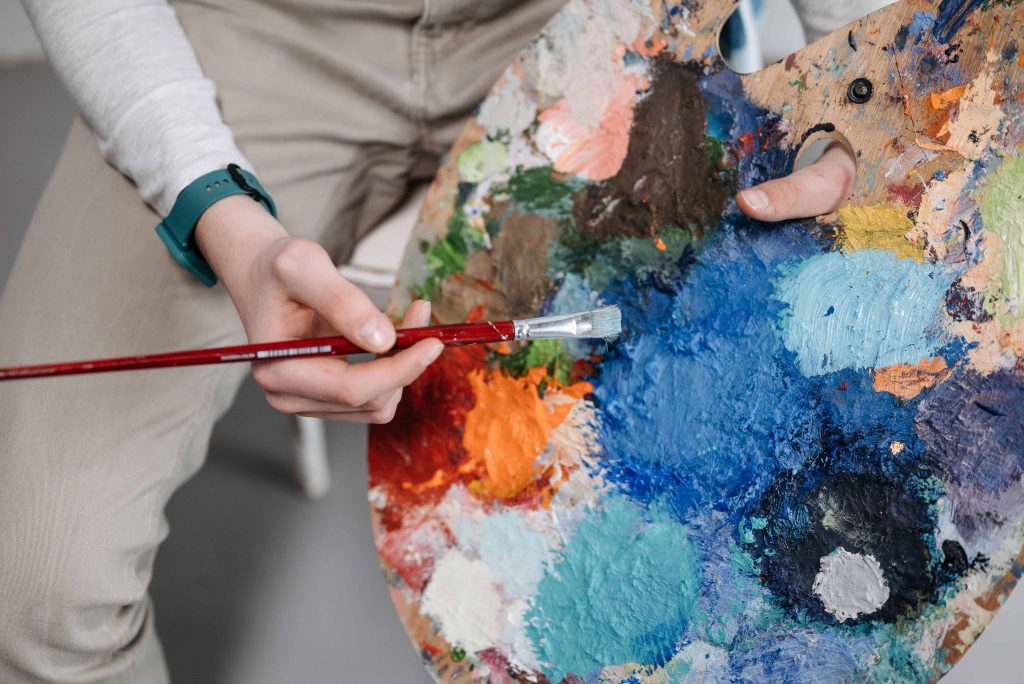
The Physical Translation of Personal History
Muscle Memory and Early Artistic Conditioning
The earliest stages of artistic development often leave a lasting imprint on how an artist approaches mark-making. From the first time a person holds a brush or drawing tool, repeated movements begin to form patterns that become deeply ingrained over time. Formal instruction frequently emphasizes precision, consistency, and technical control. Artists who receive structured training at a young age may develop disciplined brushwork characterized by careful placement, smooth transitions, and deliberate execution.
In contrast, artists who begin their creative journey through independent experimentation often develop a different relationship with their tools. Without strict technical guidelines, they may explore a wider range of gestures and techniques, resulting in brushstrokes that appear more spontaneous or expressive. Although artists continue to evolve throughout their careers, the foundational habits established during their formative years frequently remain visible in their work, influencing everything from line quality to overall painting rhythm.
Emotional Pacing and Life Experiences
Personal experiences can also shape the physical qualities of brushwork. Significant life events often influence an artist’s emotional state, concentration, and creative priorities. Periods of stress or emotional intensity may encourage more energetic and forceful mark-making, leading to dense textures, layered paint applications, or highly dynamic compositions. These visual characteristics often reflect a desire to communicate complex feelings through physical movement and material interaction.
Conversely, periods of stability, reflection, or personal growth may encourage slower and more measured approaches to painting. In these cases, brushstrokes often appear smoother, more balanced, and carefully controlled. While it would be inaccurate to assume a direct connection between a specific life event and a particular mark, patterns of brushwork can provide valuable clues about the emotional pacing that influenced an artist during the creation process.
Nationality and Geographic Roots in Mark-Making
The Influence of Regional Art Traditions
Artists rarely create in complete isolation. The visual traditions surrounding them during their education and development often influence their understanding of technique and aesthetics. Regional artistic practices can shape how painters approach composition, texture, and brushwork, even when they are not consciously following established traditions.
In some regions, artistic traditions emphasize atmospheric effects, fluid transitions, and expressive movement. Artists influenced by these approaches may favor sweeping strokes that prioritize mood and visual harmony. Other traditions place greater emphasis on precision, structure, and detail, encouraging controlled brushwork and carefully defined forms. These influences often become part of an artist’s visual vocabulary and continue to affect their mark-making long after formal training has ended.
Cultural Attitudes Toward Expression and Restraint
Cultural values can also influence how artists physically engage with the painting process. Different societies place varying levels of emphasis on personal expression, emotional openness, and visual restraint. These broader cultural attitudes can shape artistic preferences and affect the degree to which brushstrokes are intended to remain visible within a finished work.
Artists working within cultures that encourage direct and expressive communication may be more inclined to leave energetic brushstrokes exposed as a visible part of the artwork. In contrast, artists influenced by traditions that prioritize subtlety and refinement may focus on blending techniques that minimize evidence of the painting process. Neither approach is inherently superior. Instead, each reflects a different understanding of how artistic expression should be communicated to viewers.
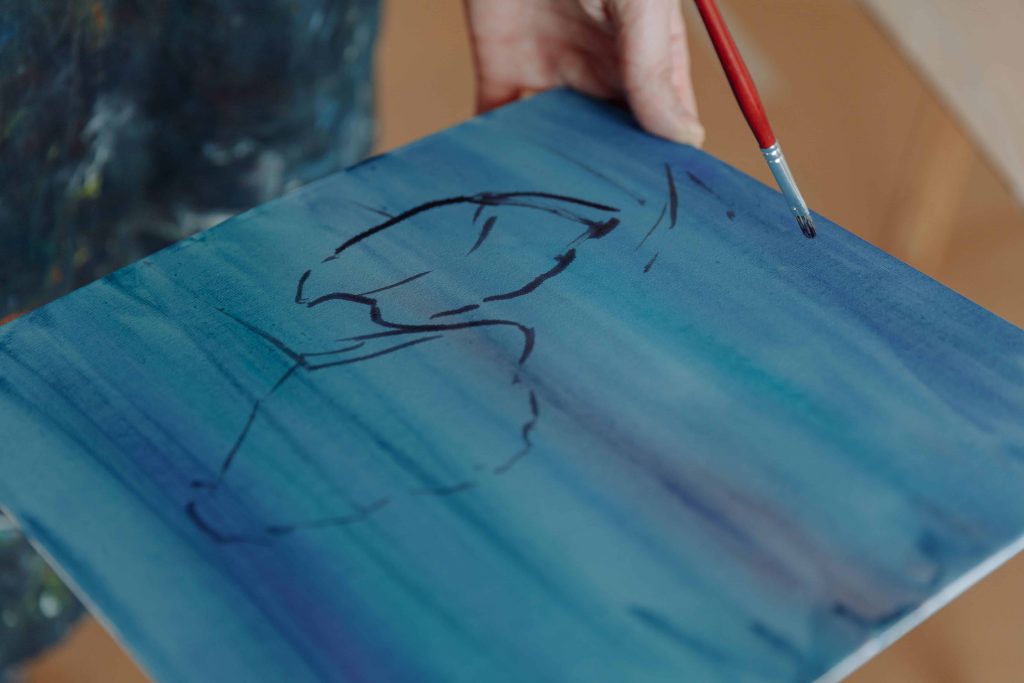
Social Background and Class Dynamics
Access to Education and Materials
Access to educational opportunities and artistic resources can significantly influence the development of brushwork. The quality of brushes, paints, surfaces, and instruction available to an artist often affects both technical skills and stylistic choices. Artists with access to extensive training programs may spend years refining techniques that prioritize precision and consistency. As a result, their brushwork often demonstrates a high degree of technical control.
Artists working with limited resources frequently adapt their techniques to available materials. This adaptation can lead to innovative approaches that emphasize texture, experimentation, and visible mark-making. Different tools produce different physical results, and the materials available during an artist’s development can leave lasting traces in their creative process. The relationship between resources and technique highlights how practical circumstances contribute to the visual characteristics of finished artwork.
The Subject Matter Dictating the Stroke
An artist’s social environment often influences the subjects they choose to depict. These subjects, in turn, affect the types of brushstrokes required to communicate specific visual ideas. Paintings that focus on physical activity, movement, or dynamic environments frequently benefit from energetic and textured brushwork that conveys motion and vitality. In contrast, subjects emphasizing stillness, detail, or delicate visual relationships may require more precise and carefully controlled marks.
The connection between subject matter and brushwork demonstrates how social experiences can indirectly shape artistic technique. Artists often paint the environments, people, and activities that are most familiar to them. As a result, their experiences influence not only what appears on the canvas but also the physical methods used to represent those subjects effectively.
The Psychological Weight of the Brush
Pressure as an Indicator of Confidence and Struggle
The amount of pressure applied during painting can reveal important aspects of an artist’s working process. Heavy pressure often produces bold, textured marks that emphasize physical engagement with the canvas. Lighter pressure may create subtle transitions, delicate edges, and a greater sense of visual restraint. These variations reflect practical choices, technical preferences, and individual working habits developed over time.
Art historians and conservators frequently study paint application techniques to better understand an artist’s methods. While pressure alone cannot reveal specific psychological states, consistent patterns of force and movement can provide insight into how an artist approached the creative process. The physical relationship between hand, brush, and surface becomes an important part of the artwork’s visual language.
Speed and Rhythm as a Reflection of Environment
The environments in which artists live and work can influence the tempo of their creative practices. Fast-paced urban settings often expose individuals to constant movement, changing visual stimuli, and dense sensory experiences. Artists working in these environments may develop energetic painting rhythms characterized by rapid, layered brushstrokes and dynamic compositions.
By comparison, artists influenced by quieter environments may adopt slower and more deliberate approaches to mark-making. Extended observation, gradual development, and careful refinement often result in brushwork that emphasizes patience and subtle variation. These differences demonstrate how environmental conditions can shape artistic habits and contribute to the distinctive rhythm visible within a finished painting.

Conclusion
Brushstrokes are far more than technical marks used to apply paint. They serve as physical evidence of an artist’s experiences, education, cultural influences, and environment. Personal history shapes movement and technique, regional traditions influence aesthetic preferences, and social circumstances affect both artistic opportunities and creative choices. Together, these factors leave visible traces across the surface of a painting.
Looking at a painting and examining its brushwork are two distinct experiences. While imagery communicates one layer of meaning, the marks themselves reveal another. Every stroke contains information about how the artwork was created and the influences that guided its development. By understanding the relationship between an artist’s background and their technique, viewers can gain a deeper appreciation for the silent language embedded within every brushstroke.
Key Takeaways
- An artist’s brushstrokes often reflect years of training, practice, and the habits developed during their early artistic education.
- Personal experiences and emotional states can influence the energy, rhythm, and texture visible in an artist’s mark-making.
- Regional art traditions and cultural values help shape how artists approach expression, control, and technique.
- Access to education, materials, and creative resources can affect both the development of technical skills and stylistic choices.
- Social environments influence artistic subjects, which in turn impact the type of brushwork used to communicate visual ideas.
- The pressure, speed, and rhythm of brushstrokes can provide insight into an artist’s working methods and creative environment.
- Brushstrokes are more than technical elements; they serve as physical evidence of an artist’s background, experiences, and artistic development.
FAQs
Can art historians identify an artist’s background by studying brushstrokes alone?
Brushstrokes can provide valuable clues about an artist’s training, influences, and working methods, but they cannot fully reveal a person’s background on their own. Art historians typically combine brushstroke analysis with historical records, cultural context, education history, materials, and other visual evidence to develop a more accurate understanding of an artist’s development.
How do cultural influences affect the way artists use brushstrokes?
Cultural influences often shape artistic preferences regarding expression, technique, and visual communication. Artists may absorb regional traditions, educational practices, and aesthetic values that affect how they apply paint. These influences can appear in the visibility, rhythm, texture, and precision of brushwork, becoming part of an artist’s unique visual language over time.
Does an artist’s environment influence the rhythm and movement of their brushwork?
Yes. The environments artists experience can affect how they approach the painting process. Fast-moving surroundings may encourage energetic, layered, and dynamic brushstrokes, while quieter settings can promote slower, more deliberate mark-making. Over time, these environmental influences can contribute to the overall pace and character visible in an artist’s work.
While big names in the gallery world certainly command respect and draw huge crowds to their exhibitions, we find ourselves constantly drawn back to the undeniable spark of unknown talents, prompting us to share the real reasons we prioritize support for artists just starting out before they hit the big time and lose some of that initial vulnerability.