

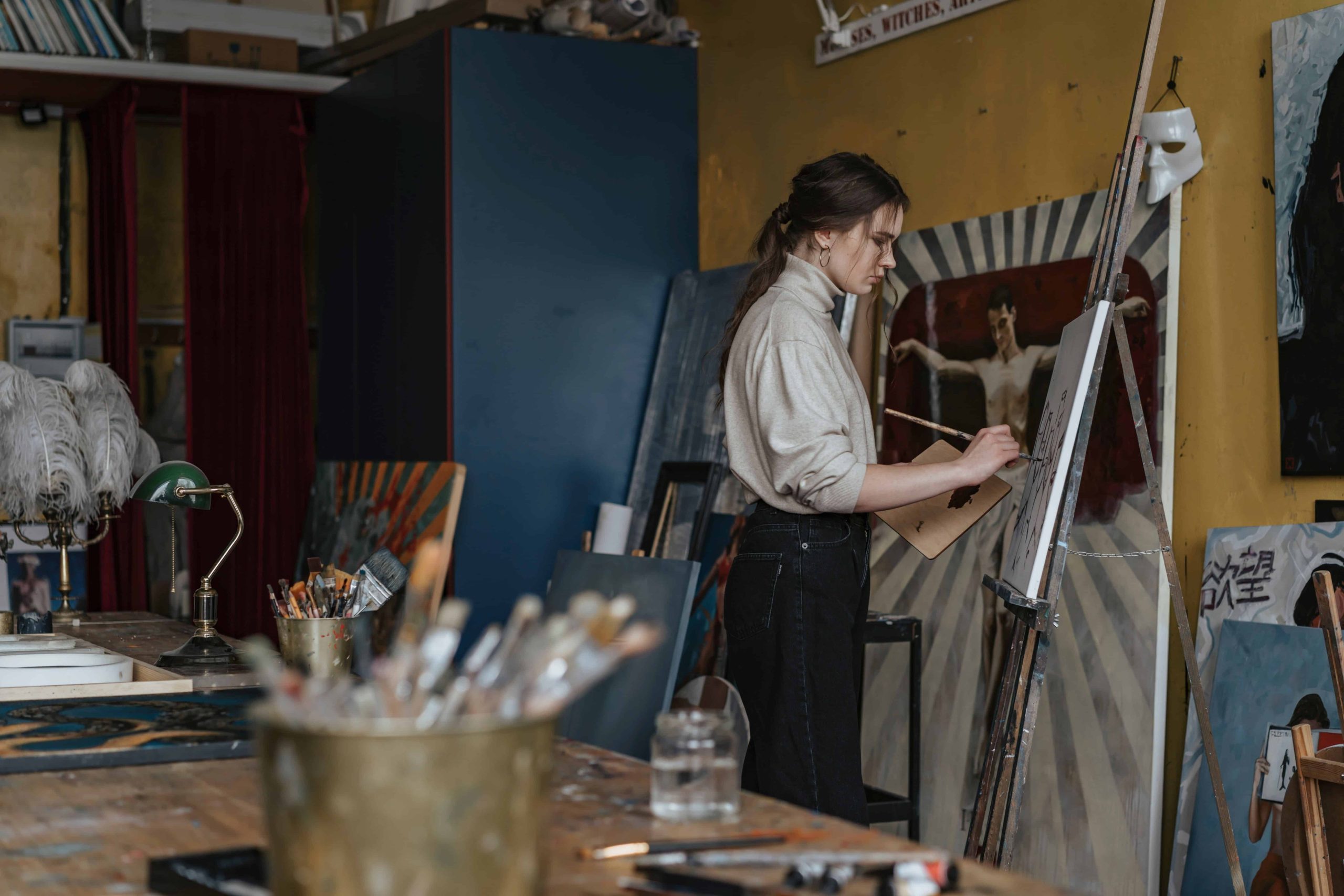
27 Jul How Local Cultures Are Reshaping the Global Art Scene
Introduction
The global art world is experiencing a significant transformation. For many years, international art conversations were largely centered around a handful of major cultural capitals, creating a narrative that often emphasized a limited range of artistic perspectives. Today, however, the art landscape is becoming increasingly multipolar, with creative voices emerging from diverse regions across the world. This shift is allowing artists to showcase unique cultural identities while contributing to broader global conversations.
Globalization has played an important role in facilitating cultural exchange. Through digital communication, international exhibitions, and collaborative projects, artists can now connect with audiences far beyond their local communities. At the same time, many creators are actively working to preserve and celebrate their cultural heritage rather than allowing it to be overshadowed by global trends. As a result, regional traditions are no longer simply participating in the international art scene. They are helping define its future by introducing new perspectives, techniques, and narratives that enrich artistic discourse worldwide.
The Return to Roots and Heritage
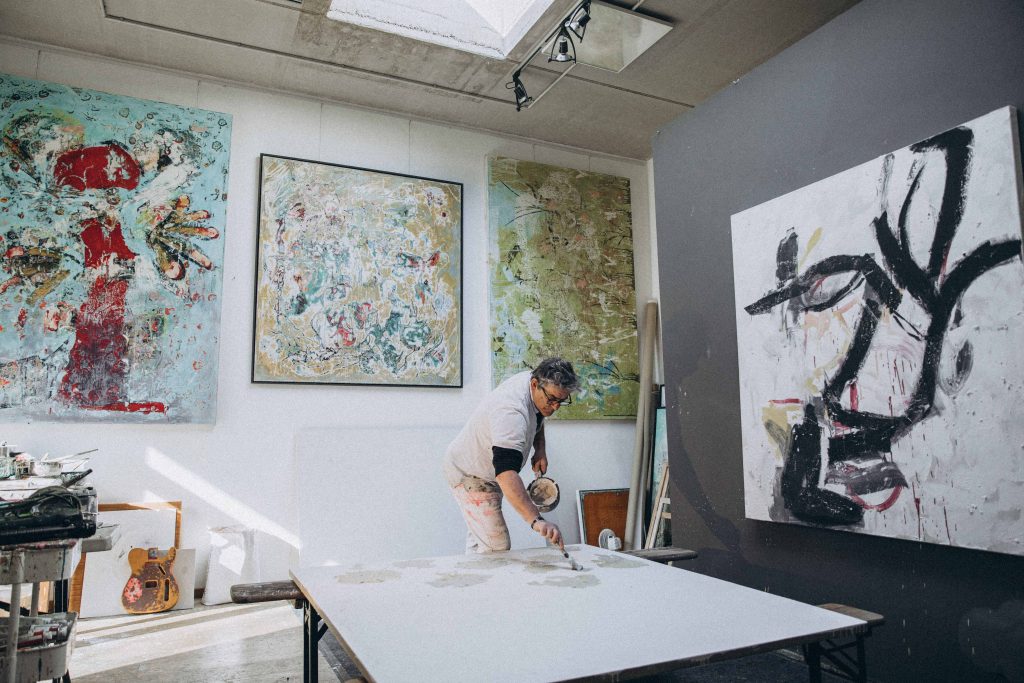
Many contemporary artists are increasingly drawing inspiration from local histories, traditional materials, and cultural practices. While conceptual approaches remain influential, there is growing interest in artworks that demonstrate a tangible connection to place, heritage, and craftsmanship. Artists are exploring traditional weaving, ceramics, textile production, wood carving, and other time-honored techniques as a way of reconnecting with cultural roots while creating works that resonate with modern audiences.
This renewed focus on heritage has contributed to the revitalization of traditional craftsmanship that might otherwise have been overlooked. Artisans and artists are collaborating to preserve specialized skills while adapting them for contemporary contexts. These efforts not only help maintain cultural knowledge but also demonstrate the continuing relevance of traditional methods in today’s creative environment.
Folklore and mythology have also become valuable sources of inspiration for contemporary artists. Stories passed down through generations often contain themes related to identity, community, nature, and human experience. By reinterpreting these narratives through modern artistic practices, creators can address present-day topics while maintaining a connection to cultural traditions. This blending of past and present allows local stories to reach broader audiences and gain new significance within contemporary art.
Decentering the Art Market Capital
The global art market is becoming less dependent on a small number of traditional cultural centers. Cities such as Lagos, Seoul, and São Paulo have developed vibrant creative ecosystems that attract artists, curators, collectors, and audiences from around the world. These locations are establishing themselves as influential art hubs by supporting local talent and fostering international exchange.
Regional biennales, festivals, and art fairs have played a major role in this development. These events provide platforms for artists to present work that reflects local experiences and cultural contexts. They also encourage dialogue between regional and international participants, creating opportunities for greater visibility and recognition. As more institutions and audiences engage with these events, the diversity of voices represented in global art continues to expand.
Collector interests have evolved alongside these changes. There is growing appreciation for artworks that carry a strong sense of place and cultural identity. Rather than seeking works that conform to a single international aesthetic, many collectors are increasingly drawn to pieces that reflect distinct regional traditions, materials, and perspectives. This shift is encouraging artists to embrace their cultural backgrounds while contributing to a more diverse global marketplace.
New Media, Old Stories
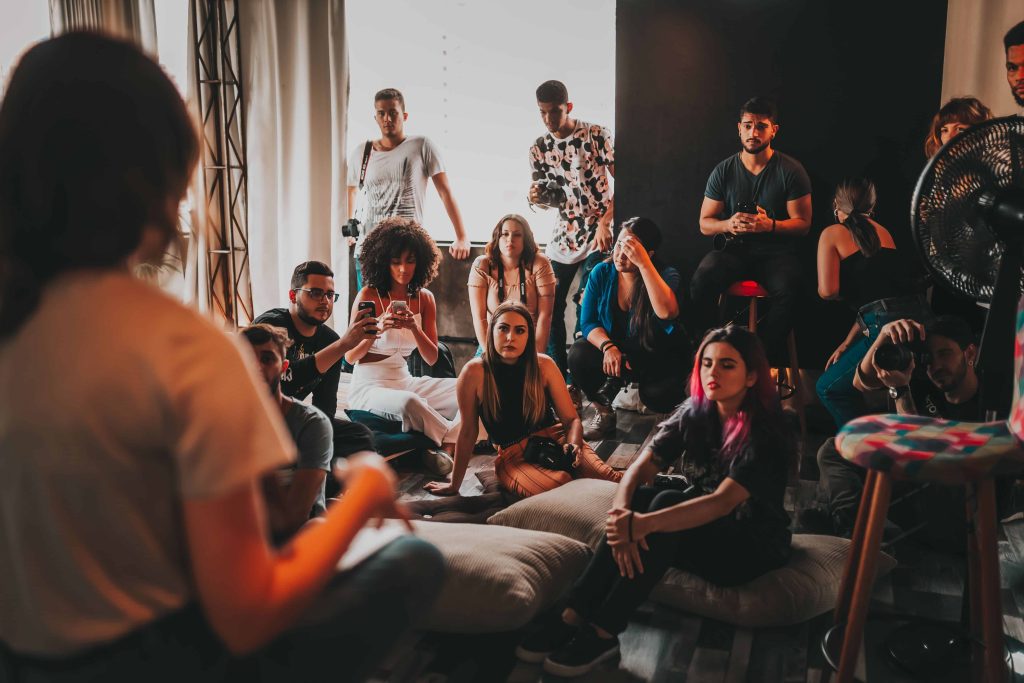
Digital technology has created new opportunities for artists to share culturally significant stories with global audiences. Through online platforms, digital exhibitions, and social media, creators can present their work directly to viewers without relying exclusively on traditional institutional channels. This accessibility has enabled many artists to showcase local narratives that might otherwise remain underrepresented.
The relationship between technology and tradition has become an especially compelling aspect of contemporary art. Artists are combining digital tools with traditional artistic practices to create immersive installations, interactive experiences, and multimedia projects. These works demonstrate that innovation and heritage are not opposing forces but can coexist in meaningful and creative ways.
Performance art and video art have also become important methods for preserving and evolving oral traditions. Stories, customs, and cultural practices that were once transmitted primarily through spoken communication can now be documented and shared across generations through visual media. This approach helps protect cultural knowledge while allowing artists to reinterpret and expand upon traditional narratives for contemporary audiences.
Art as a Response to Social and Cultural Realities
Artists often draw inspiration from the environments and communities in which they live. Local experiences related to environmental change, urban development, migration, cultural preservation, and social transformation frequently influence artistic production. These realities provide important context that shapes both the themes and visual language of contemporary artworks.
Art can also serve as a valuable tool for documenting local histories and community experiences that may receive limited attention in broader educational or cultural narratives. Through painting, photography, sculpture, installation, and mixed media, artists capture stories that contribute to a more complete understanding of regional identities and cultural development.
Spiritual and religious traditions continue to influence contemporary aesthetics in many parts of the world. Symbolism, ritual practices, architectural motifs, and philosophical concepts often inspire artists seeking to explore questions of meaning, identity, and human connection. By incorporating these elements into modern works, creators maintain cultural continuity while introducing audiences to diverse artistic perspectives.
A Richer Global Dialogue
The growing visibility of local cultures within the international art world has encouraged more meaningful forms of cultural exchange. Artists, institutions, and audiences increasingly recognize the importance of respectful collaboration, research, and dialogue when engaging with cultural traditions different from their own. This approach promotes mutual understanding and helps create stronger connections across communities.
Exposure to a wider range of artistic perspectives contributes to more nuanced conversations about creativity, identity, and cultural expression. As artists encounter ideas and techniques from different regions, they gain opportunities to challenge assumptions and expand their own creative practices. These exchanges enrich the broader art ecosystem and encourage innovation across disciplines.
At the same time, artists continue to maintain distinct cultural signatures even as they engage with global influences. Contemporary art often reflects a blending of visual languages, materials, and ideas from multiple sources. Rather than creating uniformity, these interactions frequently highlight the uniqueness of individual traditions and experiences, resulting in a more dynamic and diverse artistic landscape.
Conclusion
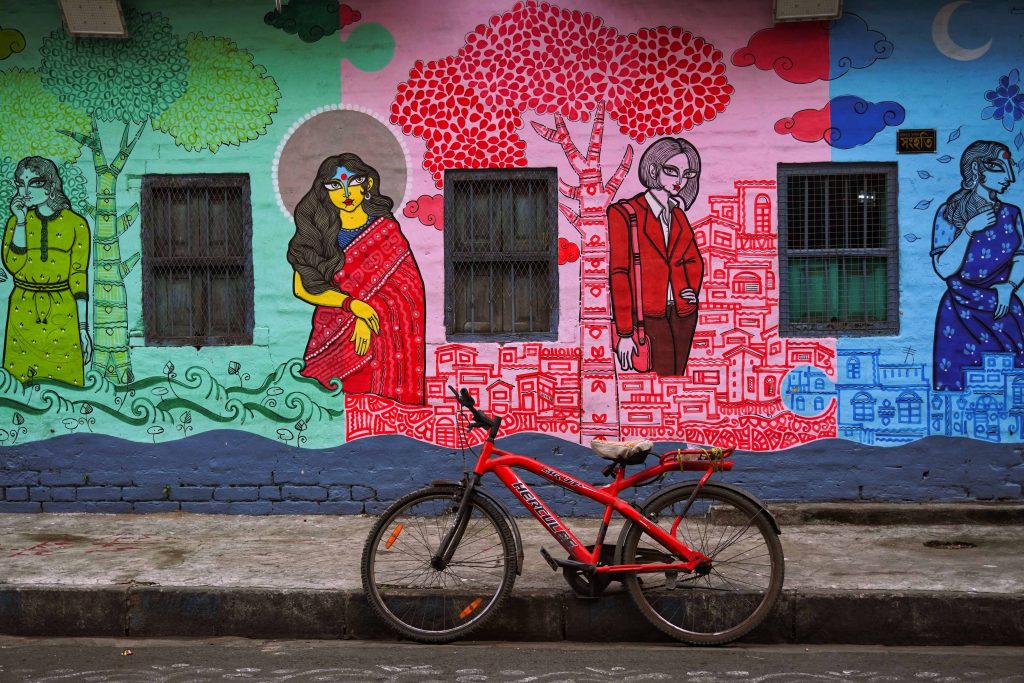
Local cultures are playing an increasingly important role in shaping the future of the global art scene. By drawing upon regional histories, traditional techniques, cultural narratives, and community experiences, artists are contributing fresh perspectives that strengthen international artistic dialogue. These influences demonstrate that cultural diversity remains a powerful source of creativity and innovation.
As global connections continue to expand, the interaction between local and international influences is likely to become even more significant. Future generations of artists will have unprecedented opportunities to learn from a wide range of traditions while developing new forms of creative expression. The result is an art world that is more inclusive, diverse, and reflective of the many cultures that contribute to it.
The future of art is increasingly glocal, shaped simultaneously by global exchange and local identity. This balance allows artists to remain rooted in their cultural heritage while participating in a worldwide conversation that continues to evolve and inspire.
Key Takeaways
- Local cultures are playing a larger role in shaping the global art scene by bringing diverse perspectives, traditions, and creative practices to international audiences.
- Contemporary artists are increasingly drawing from heritage, traditional craftsmanship, folklore, and regional histories to create meaningful and relevant work.
- Emerging art hubs and regional cultural events are expanding opportunities for artists beyond traditional global art centers.
- Digital technology allows creators to share local stories worldwide while combining modern tools with traditional artistic methods.
- Art reflects local social, cultural, environmental, and community experiences, helping preserve and communicate regional identities.
- Greater cultural exchange is fostering a more diverse, inclusive, and dynamic global art landscape where unique cultural voices can thrive.
FAQs
How are local cultures influencing the global art scene?
Local cultures reshape the global art scene by introducing regional materials, stories, and techniques into international spaces, allowing artists to challenge dominant aesthetics and expand representation through heritage-based and community-driven creative practices.
Why are cities outside traditional art capitals becoming important in the global art market?
Cities outside traditional art capitals are gaining importance because they support local artists, host international exhibitions, and attract collectors seeking distinctive regional perspectives, leading to more decentralized and diverse global art networks.
How does digital technology affect the preservation of local cultural stories in art?
Digital technology helps preserve local cultural stories by enabling artists to share traditional narratives through online platforms, video, and interactive media, ensuring wider accessibility while allowing reinterpretation within contemporary artistic practices.
Have you ever felt that galleries, exhibitions, or the broader art world were not designed with people like you in mind? This article explores how financial, cultural, and social obstacles can be challenged, creating more opportunities for wider participation in contemporary art.