

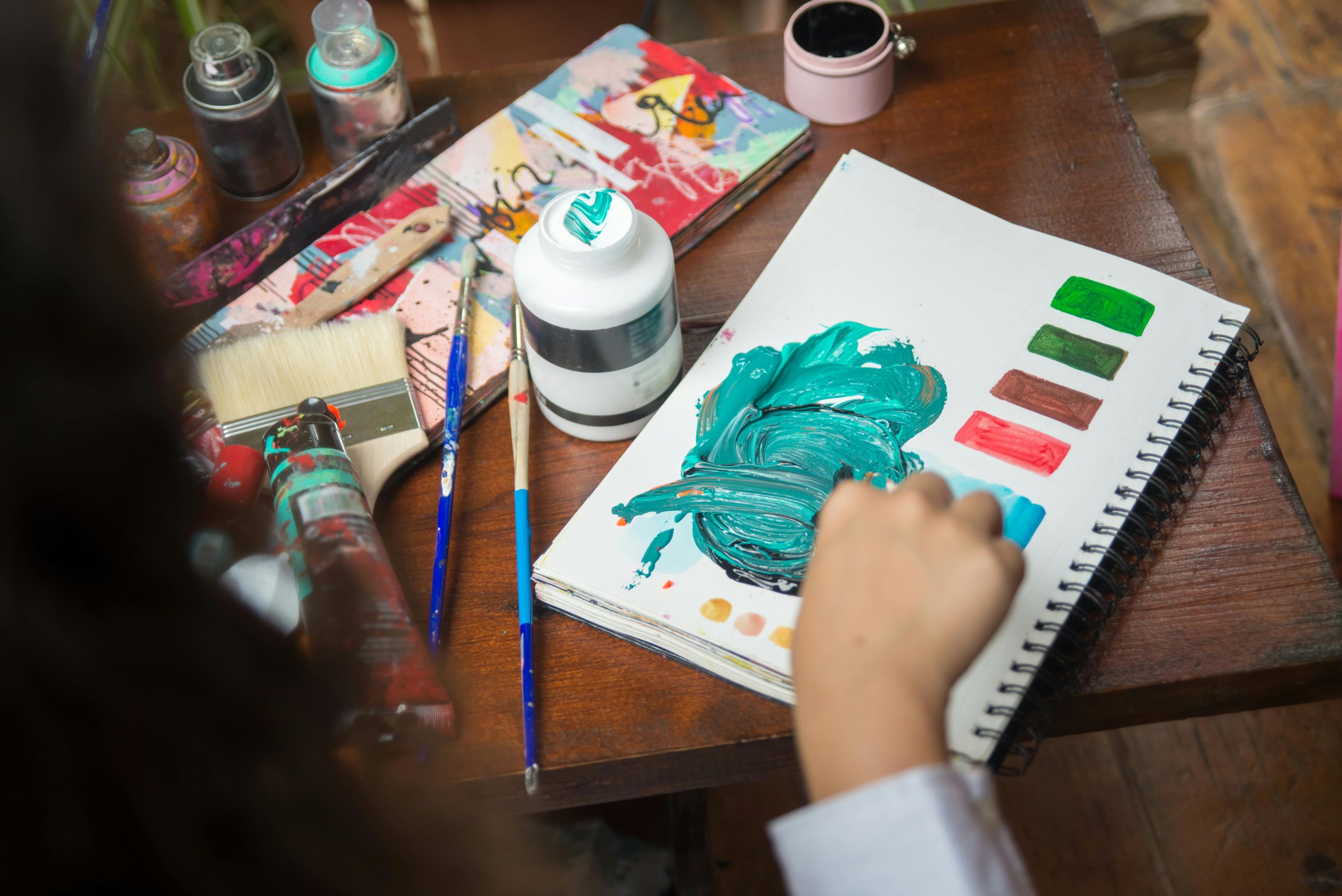
04 May How Art Education Can Change a Child’s Career Path
Introduction
Art education does far more than teach children how to hold a paintbrush or mix colors. It introduces young learners to distinct ways of thinking that directly influence their future career choices. When schools provide structured creative spaces, students discover how to transform abstract ideas into physical projects. This experience creates a foundation for professional adaptability, helping students see a broader range of career options as they grow.
Access to creative learning is especially meaningful for children from various economic backgrounds. While standard academic subjects focus heavily on memorization and single correct answers, artistic training invites experimentation. Every child deserves the chance to experience this type of learning, as it balances traditional academics with practical innovation. Ensuring that all students have these resources helps close the gap in early career exposure.
The long-term impact of artistic development shows up in both personal and professional settings. Children who practice creative disciplines build an inner resilience that serves them throughout their working lives. They carry a unique sense of confidence into adulthood, knowing they can generate original ideas from scratch. This early development shapes balanced adults who can confidently approach new challenges in any workplace.

Understanding the Value of Art Education
What Art Education Includes
A complete arts program covers a broad range of creative disciplines, from traditional practices to modern mediums. Students practice drawing, painting, and sculpture, while also learning about digital arts, graphic design, and video editing. These programs run through weekly school classes or local community center workshops. By working with different mediums, children find out which specific tools and techniques match their personal strengths.
Why Creativity Matters in Modern Careers
Employers across many industries look for people who can think creatively when facing unexpected problems. Companies no longer just need individuals to follow standard procedures; they want team members who can invent new systems. Artistic skills complement technical talents, making a worker much more effective. For example, a software developer with a background in visual arts can design user interfaces that are both functional and visually clear.
Building Essential Skills Through Art
Developing Critical Thinking and Problem-Solving
Artistic projects naturally require students to solve complex problems on their own. When a sculpture drops out of balance or a color mixture looks incorrect, a child must figure out a solution. This process encourages constant experimentation and teaches students to view problems from multiple angles. Instead of fearing mistakes, children learn to treat design flaws as steps toward a better final product.
Strengthening Communication Skills
Art education teaches children to express complex ideas through both visual elements and spoken words. When students finish a project, they often present it to their classmates and explain their design choices. This practice builds public speaking confidence and helps kids organize their thoughts clearly. Learning to explain the meaning behind a visual piece prepares students for future workplace presentations and team discussions.
Improving Discipline and Persistence
Completing a detailed art project requires hours of steady practice and concentration. Children learn early on that master techniques do not appear overnight; they require patience and repetitive effort. Working on a project over several weeks teaches students the value of staying with a task until it is done. This learned patience translates directly into the workplace, where long-term projects require steady, disciplined work.
How Art Education Expands Career Possibilities
Introducing Children to Creative Industries
Early art education shows students that passion can turn into a stable profession. Many children do not realize that fields like industrial design, commercial illustration, animation, and architectural photography exist as viable career paths. Regular exposure to these fields opens up options that might otherwise remain completely unknown. This early awareness gives students a clear goal to aim for during their higher education years.
Supporting Success in Non-Art Careers
The benefits of art education extend far beyond museums and design studios. In business, managers use creative thinking to develop new marketing strategies and organize teams. Healthcare workers use spatial awareness and empathy when designing patient care spaces or reading medical imaging. Even in engineering, creative design principles help professionals build structures that are both physically sound and easy for the public to use.
Encouraging Entrepreneurial Thinking
Art education teaches children how to turn an initial concept into a finished product that others can appreciate. This exact process forms the core of entrepreneurial thinking. Students learn to value originality, protect their unique concepts, and understand what makes a product stand out in a crowd. By learning to trust their own taste, young people gain the confidence needed to launch independent projects or build their own businesses later in life.
The Impact of Art Education on Underprivileged Students
Creating Opportunities for Self-Expression
For students facing difficult personal circumstances, art classes provide a reliable outlet for complex thoughts and emotions. Having a safe space to create helps young people process their daily experiences in a positive, constructive way. As they master difficult artistic techniques, their self-regard grows. This growing confidence helps students build a solid sense of identity that keeps them grounded through challenging times.
Expanding Awareness of Future Possibilities
Art programs frequently introduce students to college options and specialized career paths they might not hear about at home. Exposure to visiting artists and gallery trips shows students a world outside their immediate neighborhoods. This experience helps young people set higher academic and professional goals. It breaks down invisible barriers by showing students exactly how to enter competitive professional spaces.
Encouraging Community Engagement
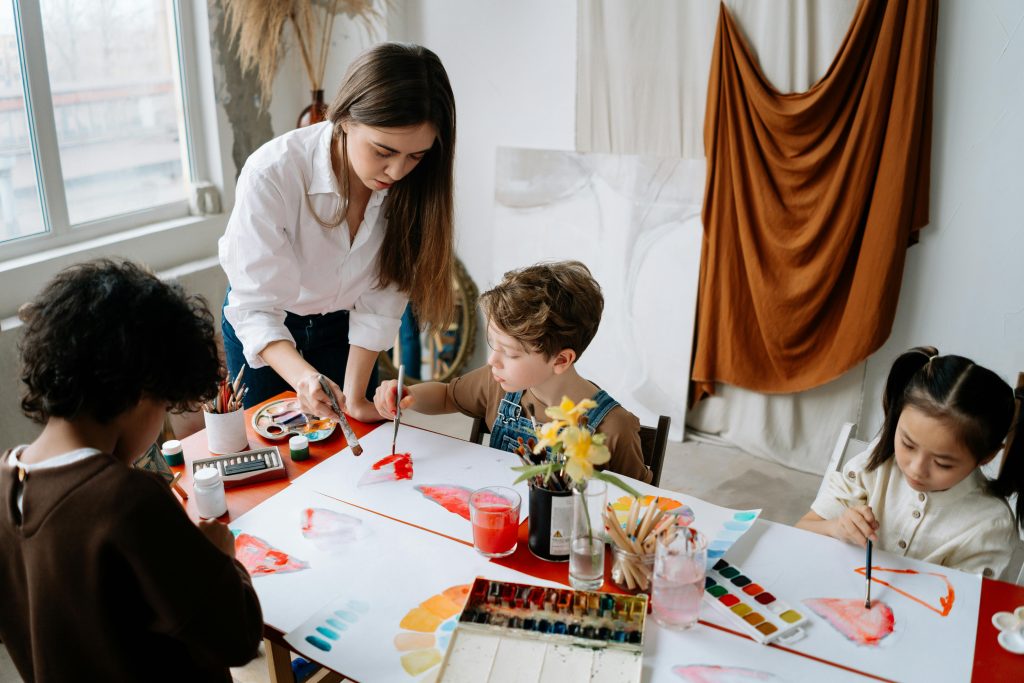
Local art programs bring students together with encouraging mentors, experienced educators, and local creative networks. Working on group murals or community art shows teaches children how to collaborate effectively with different personalities. These networks provide students with references, internships, and valuable advice as they start planning their futures. The social skills built during these collaborations help students feel connected to the wider world.
The Connection Between Artistic Confidence and Career Development
Building a Growth Mindset
Art education shows children that talent develops through effort, rather than being a fixed trait from birth. When a student struggles with a drawing but improves after three attempts, they see the direct results of hard work. This experience builds resilience, making students more adaptable when plans change. In a shifting economy, workers who welcome learning new skills outperform those who stay comfortable with what they already know.
Developing Leadership Qualities
Leading a creative project allows students to practice taking the initiative in a low-stakes environment. Whether managing a school theater set design or organizing a group art portfolio, students learn to delegate tasks fairly. They practice listening to different opinions, resolving disagreements, and keeping a team focused on a shared deadline. These organizing experiences prepare young people to step into management roles later in their careers.
Challenges That Limit Access to Art Education
Funding and Resource Gaps
Many schools face tight budgets, which often leads to cuts in arts programming and supply funds. This creates a situation where students in wealthier districts get modern digital art tools, while others lack basic drawing paper. These resource gaps make it harder for talented students from lower-income areas to build competitive portfolios. Without early instruction, these students face real disadvantages if they try to enter creative fields later.
Misconceptions About Career Outcomes
A persistent myth suggests that studying art leads straight to financial instability, which discourages many parents from supporting their children’s creative interests. This view ignores the huge economic footprint of modern design, entertainment, and digital media industries. Creative professions offer stable, well-paying paths that match traditional corporate roles. Overcoming these old stereotypes helps families support their children’s natural talents without unnecessary worry.
Ways Schools and Communities Can Support Art Education
Expanding Access to Creative Programs
Schools can protect creative learning by keeping art classes in the core curriculum and supporting after-school arts clubs. Local governments can also partner with non-profit studios to offer free weekend workshops and summer art camps. These partnerships ensure that every child has a place to create, regardless of what their individual school can afford. Keeping these programs open gives every student a safe space to develop their talents.
Encouraging Family Involvement
Parents can easily nurture creative skills at home by providing simple materials like clay, sketchbooks, or basic digital drawing apps. Families do not need expensive gear; simply dedicating a corner of a room to creative projects shows a child that their work matters. Asking open-ended questions about a child’s drawings encourages deeper thought and validates their effort. This steady home support builds the security children need to keep exploring their ideas.
Integrating Art Across Subjects
Blending artistic projects into science, technology, engineering, and math classes creates a well-rounded learning experience. For example, a biology student might sketch detailed anatomical drawings, or a geometry student might design intricate architectural models. This cross-subject approach shows students that creativity and logical analysis work together naturally. It helps children understand that creative skills apply to every subject they study.
The Long-Term Benefits of Investing in Art Education
Investing in arts education prepares the upcoming generation to enter a workforce that prizes original thinking. As automation handles more routine tasks, human creativity becomes a highly valued asset in the job market. Students who possess a mix of technical knowledge and creative problem-solving skills stay versatile over time. This training produces innovative thinkers who can easily pivot as new industries emerge.
Creative training sets up a pattern of continuous learning that benefits individuals throughout their careers. People who grow up making art tend to stay curious about how things work and look for ways to improve existing systems. This enduring curiosity leads to steady career advancement and personal satisfaction over many decades. By funding these programs today, communities ensure a more inventive, adaptable, and successful workforce for the future.
Conclusion
Art education shapes a child’s future by building critical thinking, strengthening communication, and revealing unexpected career paths. It provides practical skills that help students stand out in both creative fields and traditional technical professions. By teaching young people to trust their own ideas, creative classes build a sense of personal confidence that lasts a lifetime.
Making these programs available to every child is a vital step in creating fair opportunities for all students. When communities support the arts, they give young people from every background the tools to realize their full potential. Creative learning should never be viewed as a luxury option that schools can drop when budgets get tight. Instead, art education acts as a foundation for future career growth, turning young students into the innovative leaders of tomorrow.
Key Takeaways
- Teaches Versatile, Modern Skills: Beyond teaching technical techniques, arts programs build critical thinking, resilience, and problem-solving. Students learn to view mistakes as necessary design iterations, a trait that translates into professional adaptability.
- Expands Career Horizons: Early exposure introduces children to stable, lucrative paths in creative industries—such as industrial design, animation, and architecture—that they might not otherwise consider.
- Enhances Non-Art Professions: The benefits extend to technical and corporate fields. Creative training aids software developers in designing user interfaces, helps business managers innovate marketing strategies, and assists engineers in balancing aesthetics with structural integrity.
- Bridges Opportunities for Underprivileged Youth: Art programs provide a safe emotional outlet, introduce specialized career networks, and offer mentorship. This helps close the early career exposure gap for students from lower-income backgrounds.
- Fosters an Entrepreneurial and Growth Mindset: Managing projects teaches children how to take initiative, collaborate, and turn an abstract concept into a finished product. Seeing their skills improve through practice teaches them that ability grows with effort.
- Requires Community Countermeasures Against Funding Gaps: Budget cuts and outdated stereotypes about financial instability often limit arts access. Communities and schools can combat this by integrating arts into STEM subjects, securing local partnerships, and encouraging low-cost creative exploration at home.
- Prepares a Future-Proof Workforce: As automation takes over routine tasks, human creativity becomes highly valuable. Early arts training produces innovative, curious professionals capable of navigating shifts in the economy.
FAQs
How does art education prepare children for fields outside of the creative arts?
Art education builds foundational soft skills like problem-solving, spatial awareness, and resilience. These traits help professionals across industries, allowing software developers to design clear interfaces, business managers to build unique marketing strategies, and healthcare workers to accurately interpret medical imaging.
Why is creative training considered a protection against future workforce automation?
While automated systems can handle routine data and repetitive tasks, original thinking remains uniquely human. Art training teaches children to build systems from scratch, ensuring they stay versatile and adaptable as the modern job market shifts toward innovation.
How can parents support artistic growth if their local school lacks funding?
Parents can set up a small creative space at home with simple, affordable materials like sketchbooks, clay, or free drawing applications. Engaging with a child’s work by asking open-ended questions about their choices builds confidence without requiring expensive equipment.
What happens when art leaves the traditional gallery behind and becomes part of daily life? Discover why the idea that art belongs only in specialized spaces is changing, and how streets, books, schools, and public places can make artistic expression more accessible to everyone.