
06 Apr Where the Next Great Artists Are Found in 2026
Introduction
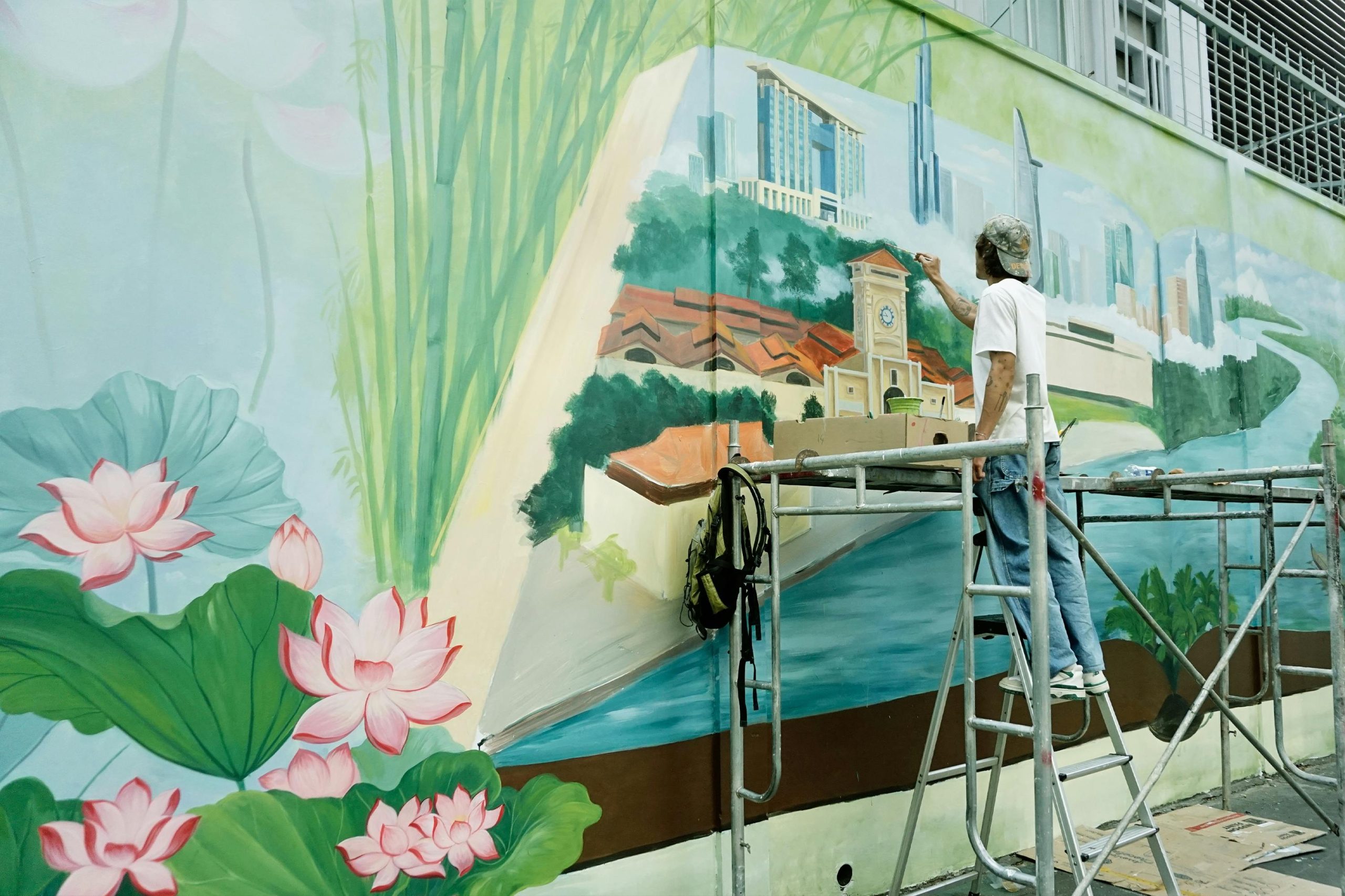
For a long time, people believed that you had to live in a massive cultural capital like New York, Paris, or London to make it as a major artist. The thinking went that these giant hubs were the only places where true artistic genius could grow. However, there is a massive difference between raw talent and actual access to opportunity. Brilliant creative minds exist everywhere, but the resources to show off that work are often concentrated in just a few zip codes. Underserved neighborhoods continue to be vital environments for artistic creativity because they are packed with stories, unique perspectives, and untapped potential. This article looks at how the relationship between geography, culture, and opportunity is changing, and why the art world is starting to look beyond traditional boundaries to find its next big voices.
The Myth of Artistic Success Being Tied to Major Cultural Hubs
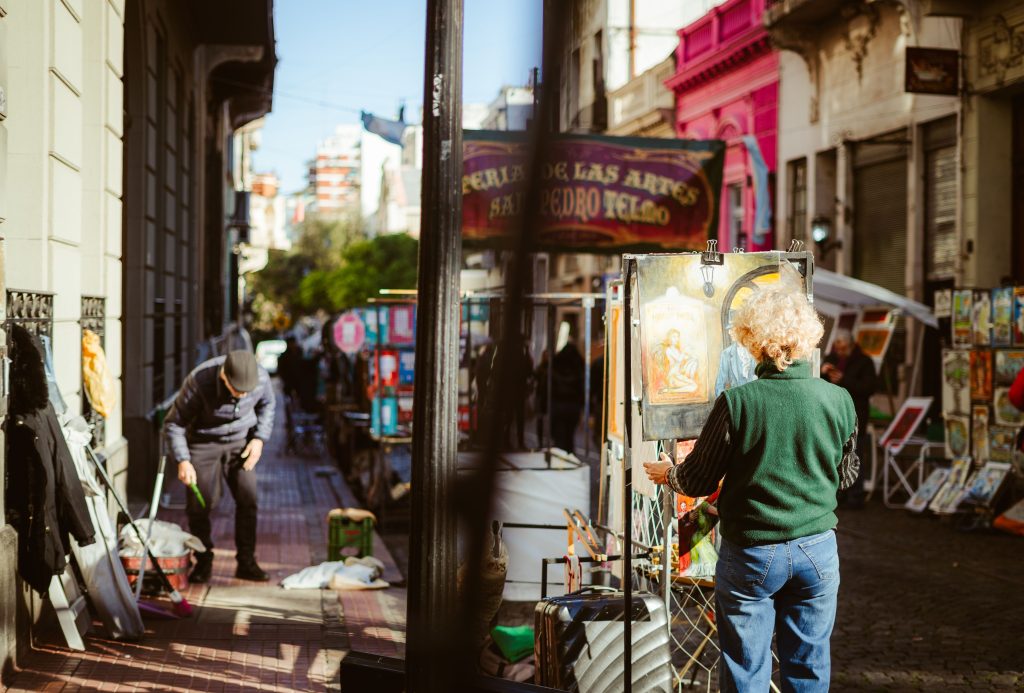
Cities famous for their museums and galleries tend to hog the spotlight because that is where the established industry networks live. Media coverage, wealthy collectors, and high-end galleries form a tight circle that shapes public perception about what successful art even looks like. This creates a loop where geography is mistaken for talent, making it seem like people outside these areas lack artistic potential. In reality, relying solely on a city’s reputation overlooks incredible creators who cannot afford the high cost of living in those major hubs. Thankfully, there is a growing recognition that amazing artists are working outside traditional centers, quietly building their skills far away from the mainstream spotlight.
Creativity Often Thrives Under Constraints
When resources are tight, artists are forced to get highly creative with the materials they have. A lack of expensive paints, high-end studios, or formal gear often leads to incredible innovation and original styles that you do not see coming out of pristine classrooms. This kind of hands-on problem-solving teaches creators how to adapt, experiment, and look at ordinary objects in entirely new ways. Unconventional environments give rise to fresh artistic perspectives because the artists are not trying to copy old, established rules. There is a deep connection between the resilience required to handle daily challenges and the raw, powerful expression that ends up on the canvas or in the music.
Rich Cultural Experiences Exist Beyond Wealthy Communities
Wealthy neighborhoods might have the financial capital, but underserved areas are incredibly rich in cultural assets. Local traditions, generational stories, and shared neighborhood experiences provide a deep well of inspiration that directly shapes an artist’s voice. Cultural diversity thrives in these communities, bringing together different heritages, languages, and artistic styles that blend into something completely new. Audiences are naturally drawn to authentic lived experiences because they feel real and human, standing out against heavily commercialized art. Mainstream institutions often miss these perspectives, which means the art coming from these neighborhoods offers something genuinely fresh to the cultural conversation.
Community Connections Can Shape Powerful Artistic Voices
Your neighborhood plays a massive role in how you see yourself and how you express your identity. Artists in underserved areas often draw their deepest inspiration directly from the people, streets, and daily life around them. Local support networks, like grassroots community centers or informal groups of creators, play a massive role in encouraging people to keep making things. When an artist feels backed by their neighbors, their work gains a level of purpose and meaning that is hard to replicate in isolation. These tight-knit ties give creators a strong sense of responsibility to tell their community’s stories accurately and powerfully.
Barriers That Prevent Emerging Artists From Gaining Recognition
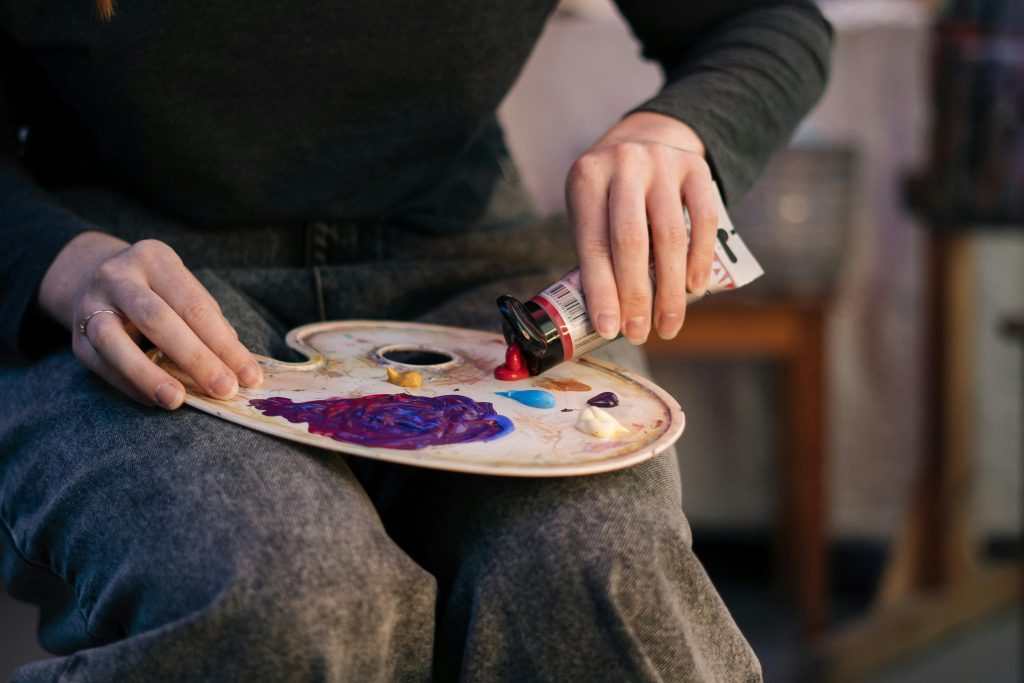
Despite all this talent, major hurdles still keep exceptional artists from getting the attention they deserve. Financial backing is tough to find, and professional development programs rarely reach these neighborhoods, making it hard to learn the business side of art. Access to quality arts education and mentorship is often limited, leaving creators to navigate the complex industry completely on their own. On top of that, unequal access to major galleries and exhibition spaces keeps talented individuals locked out of the networks that build long-term careers. Because of these systemic roadblocks, many brilliant creators remain completely undiscovered by the wider public.
Technology Is Changing How Artists Reach Audiences
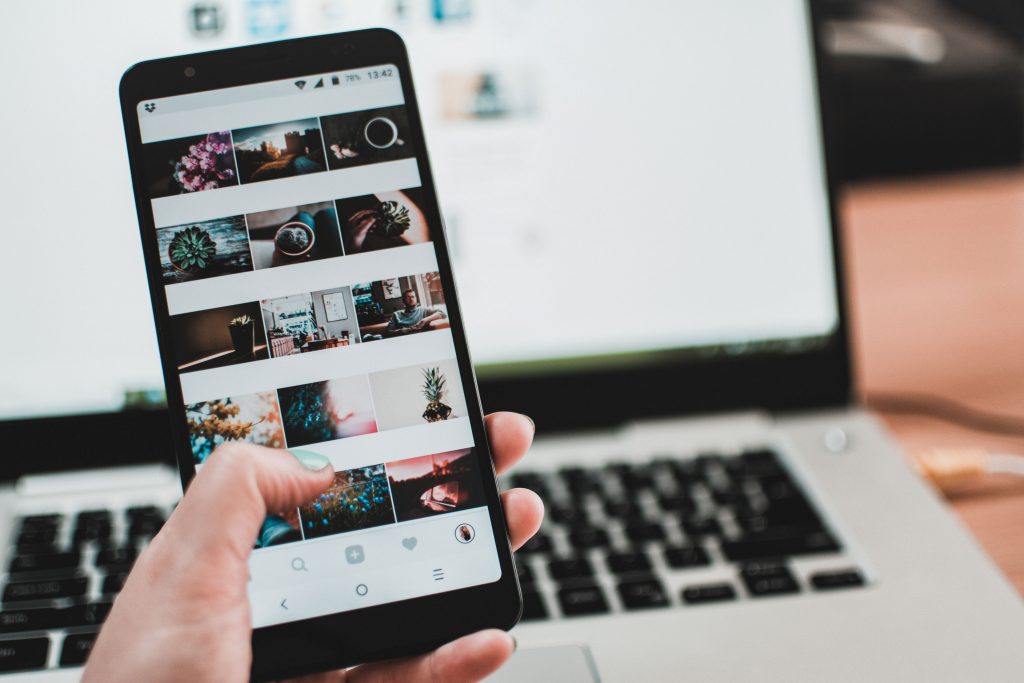
The rise of digital platforms and online spaces has completely changed the landscape for creators everywhere. Social media allows an artist living in any neighborhood to share their work with a global audience instantly, bypassing the need to move to an expensive city. Independent promotion means creators can build their own fanbases, sell their work directly, and find mentors online without relying on traditional gatekeepers like gallery owners or critics. This shift has opened up the industry, giving talented individuals the power to claim their space in the art world purely on the merit of their work.
Why Audiences Are Seeking New and Authentic Perspectives
People are getting tired of the same predictable styles and are actively looking for art that feels genuine and unique. There is a noticeable shift in what consumers want, with a massive demand for originality over polished, mass-produced culture. Fresh viewpoints from underrepresented areas add real depth to cultural conversations, challenging old ideas and expanding how we view the world. Audiences want to see art that reflects the true, messy, and beautiful variety of human experiences, not just the viewpoints of a wealthy elite.
Supporting Artistic Talent in Underserved Communities
To ensure these voices are heard, making arts education accessible to everyone is a vital first step. Grassroots community programs give young people a safe space to experiment, develop their skills, and see art as a viable path forward. Both public and private investment in local arts initiatives help build spaces where creators can work, collaborate, and show their pieces. Giving these emerging creators more visibility helps them build sustainable careers while injecting fresh energy into the entire creative economy.
The Future of Artistic Discovery
The next generation of influential artists will likely come from places the mainstream art world historically ignored. Expanding where scouts, collectors, and institutions look for talent makes the entire creative industry stronger and more vibrant. When opportunity is spread out evenly rather than confined to a few wealthy blocks, the quality of art improves for everyone. Recognizing artistic potential wherever it pops up ensures that our collective culture stays rich, diverse, and genuinely reflective of the world we live in.
Talent is distributed evenly across the world, but opportunity is not. While established cultural centers will always have their place, underserved neighborhoods remain significant powerhouses of innovation and creative energy. By providing better support, visibility, and tools, we can help hidden talent find its way to the global stage. The future of art depends on our ability to look past old boundaries and celebrate great creators, no matter where they call home.
Conclusion
The art world stands at a turning point as traditional gatekeepers lose their absolute control over creative success. True innovation rarely grows in comfortable, predictable spaces. Instead, it thrives where creators must adapt, experiment, and draw from deep wells of lived experience. By embracing digital platforms and local support systems, creators in underserved communities are redefining what it means to be a successful artist. Ensuring these voices receive proper visibility improves the entire creative landscape. When the industry looks past geographic boundaries, culture becomes a truer, richer reflection of the entire world.
Key Takeaways
- Talent Lives Everywhere, But Opportunity Does Not: Brilliant creative minds exist in every neighborhood, but traditional art institutions heavily concentrate resources and visibility within a few wealthy cities.
- Constraints Drive Innovation: Operating outside of well-funded spaces forces creators to experiment with unconventional materials and unique techniques, resulting in fresh, highly original styles.
- Underserved Communities Offer Rich Perspectives: Local traditions, shared histories, and diverse heritages provide a deep source of inspiration, offering audiences the authentic, lived experiences they increasingly crave.
- Grassroots Support and Identity Shape Meaningful Work: Close-knit neighborhood ties and local creative networks give artists a strong sense of purpose, driving them to tell their community’s stories.
- Systemic Obstacles Still Limit Success: Emerging talent face significant hurdles, including a lack of financial backing, limited arts education, and exclusion from established gallery networks.
- Digital Tools Are Levelling the Playing Field: Technology and social media allow artists to bypass traditional industry gatekeepers, build independent audiences, and share their work globally from any location.
- The Creative Industry Benefits From Inclusivity: Investing in local arts initiatives and expanding where the industry looks for talent introduces fresh energy, making the cultural landscape more vibrant and diverse.
FAQs
How do digital platforms help artists in underserved neighborhoods?
Digital tools bypass traditional industry gatekeepers like high-end galleries and critics. They allow creators to share their work with a global audience instantly, build independent fanbases, sell pieces directly, and connect with mentors online without needing to live in an expensive cultural capital.
Why does art from underserved communities feel more authentic to audiences?
This art is shaped by deep cultural assets, local traditions, and shared neighborhood experiences. Audiences are drawn to these authentic, lived perspectives because they offer real, human storytelling that stands out against polished, highly commercialized art found in mainstream institutions.
What is the most effective way to support these emerging artists?
True support starts with accessible arts education and local community programs where creators can safely experiment. Public and private investments in grassroots initiatives provide physical workspaces, collaboration opportunities, and visibility, helping artists build sustainable careers and inject fresh energy into the economy.
When you look at a piece of compelling visual art, you do not need a dictionary to feel the underlying message. This article looks at how communities are moving past traditional language barriers, using creative expression to build real relationships and find unexpected common ground.